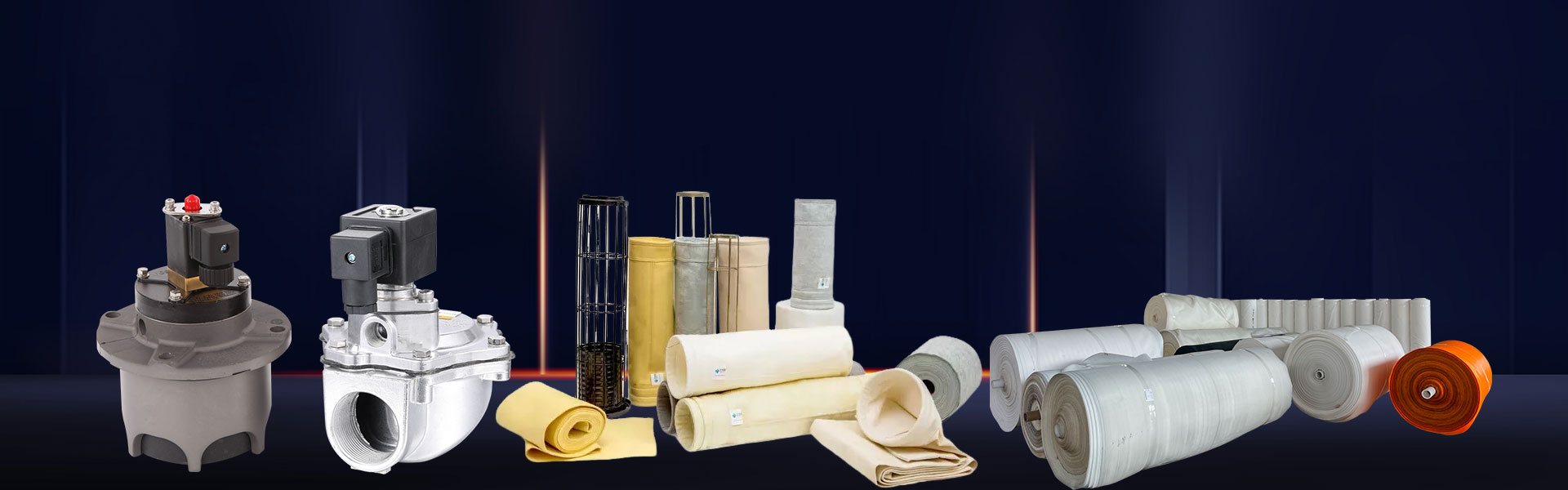
Why Does Choosing The Right Filter Cloth Turn My Filtration From Cost Center To Advantage?
I have spent years watching perfectly good presses underperform because the fabric was an afterthought. When I began testing premium media, I noticed something simple yet powerful—the right Filter Cloth cuts cycle time, reduces wash water, and stabilizes product quality. That is why I now lean on partners like Star Machine when I need consistent weave control, clean edges, and traceable batches. I am here to show how a better fabric choice fixes real plant pain, and why I treat Star Machine as a reliable benchmark when I upgrade.

What pain points are draining my budget before I even look at media?
- Blinding that stretches cycles and forces aggressive backflushing.
- Inconsistent cake release that turns every discharge into a clean-up shift.
- Clogged pores from oil or fines that increase differential pressure and energy use.
- Premature seam failures from poor heat-setting or stitching that sheds fibers into product.
- “One size fits all” sourcing that ignores slurry chemistry and particle shape.
How do I choose Filter Cloth that resists blinding and cuts cycle time?
Particle size distribution, zeta potential, and viscosity drive the weave and finish. Then I match fabric weight and air permeability to the target cake moisture. If I need faster cycles, I loosen permeability and tighten washing strategy; if I need drier cake, I increase calendering or shift to multifilament for smoother release. Above all, I specify Filter Cloth that has been heat-set to lock the pore geometry so performance stays stable after the first few cycles.
Which material and weave actually fit my process?
Material chemistry matters. Polypropylene fights caustic and is hydrophobic; PET handles heat and mild acids; nylon offers toughness; PTFE shrugs off sticky organics. I also adjust weave: plain for uniform capture, twill for strength and abrasion, satin for smoother cake surfaces. For sticky cakes, a singed or calendared finish helps release without scraping that damages threads.
| Media | Typical Temp Window | Chemical Notes | Best For | Trade-Offs |
|---|---|---|---|---|
| PP (Polypropylene) | 0–90 °C | Excellent alkali resistance, poor to some oxidizers | Mining tailings, kaolin, alkali leach | Lower heat tolerance than PET |
| PET (Polyester) | -20–130 °C | Good acids, moderate alkali, low creep | Food starch, pigments, gypsum, TiO₂ | Can hydrolyze in strong alkali at heat |
| PA (Nylon) | -20–100 °C | High abrasion strength | Heavy minerals, metal finishing | Swells in some solvents, moisture uptake |
| PTFE | -50–250 °C | Outstanding chemical inertness | Solvent-rich, sticky organics, harsh pH | Highest cost, requires careful seaming |
How do I size pore and air permeability without gambling with quality?
I use the actual PSD curve, not a single D50. If fines dominate, I step down to tighter micron ratings and add precoat strategy to protect throughput. For fast washing, I raise air and water permeability but keep a finish that prevents hairline channels. With Filter Cloth selection, I aim for a differential pressure rise that is steady—not spiky—so pumps run in their efficiency window.
| Application | Target Cake Moisture | Micron Class | Permeability (L/m²/s @200 Pa) | Weave | Finish |
|---|---|---|---|---|---|
| Calcium Carbonate | 18–22% | 10–25 µm | 80–120 | Plain | Calendered |
| Copper Tailings | 20–28% | 25–45 µm | 120–180 | Twill | Singed |
| Starch | 30–35% | 5–15 µm | 60–90 | Satin | Glazed |
| Solvent-Rich Organics | 15–20% | 5–10 µm | 50–70 | Plain | PTFE film-laminated |
What installation details make or break a good fabric?
- Seams and gaskets need heat-sealed edges to stop fray that seeds blinding.
- Cloth tension must be set evenly; loose panels wrinkle, tight panels pinch and tear.
- Feed distribution should be centered; corner loading chews one quadrant first.
- Pre-conditioning cycles help the Filter Cloth settle so the first production batch is predictable.
Can real numbers prove the business case I present to management?
I track three KPIs: average cycle time, cake moisture, and cloth life. A recent upgrade cut cycles by 14%, lowered moisture by 2.3 points, and extended cloth life from 7 to 10 months. Even after fabric spend rose 18%, the payback landed inside one quarter because labor and energy fell. That is the kind of math that lets a Filter Cloth project approve itself.
What quality assurance should I insist on from a supplier?
- Lot-level certificates for yarn denier, weave count, and heat-set temperature window.
- Dimensional tolerance on panel cut and squareness within ±1 mm across large plates.
- Permeability tested on finished panels, not only base rolls.
- Full traceability so a problem batch does not become a plant-wide mystery. This is one reason I keep Star Machine on my shortlist.
When do I replace versus rehabilitate my media?
If cleaning restores less than 80% of initial permeability, I replace. If I see chronic blinding from oil carryover, I solve upstream chemistry first; otherwise a new Filter Cloth only buys a few good shifts. For localized wear, patching can extend life, but once seams or corners show broken picks, I stop gambling and re-panel.
Where does sustainability meet performance with Filter Cloth without greenwashing?
Sustainability shows up in fewer wash cycles, longer life, and lower energy per ton. A stable Filter Cloth reduces rework and water treatment load. I work with suppliers who recover trimming waste and document fabric yields to cut scrap, because the cleanest kilowatt is the one I never spend.
How can I move from guesswork to a tailored spec today?
Bring PSD, slurry chemistry, current cycle data, and your best and worst-case photos. I will draft a shortlist of media options, run a bench test, and lock a spec that your operators trust. If the path points to a premium Filter Cloth, I will show the line-item math so finance sees the return. If you want a practical recommendation or a trial panel set, please contact us. Tell me your process, and I will help you choose, test, and implement the right solution. Leave an inquiry today—let’s turn filtration into your advantage.
Send Inquiry



X
We use cookies to offer you a better browsing experience, analyze site traffic and personalize content. By using this site, you agree to our use of cookies.
Privacy Policy