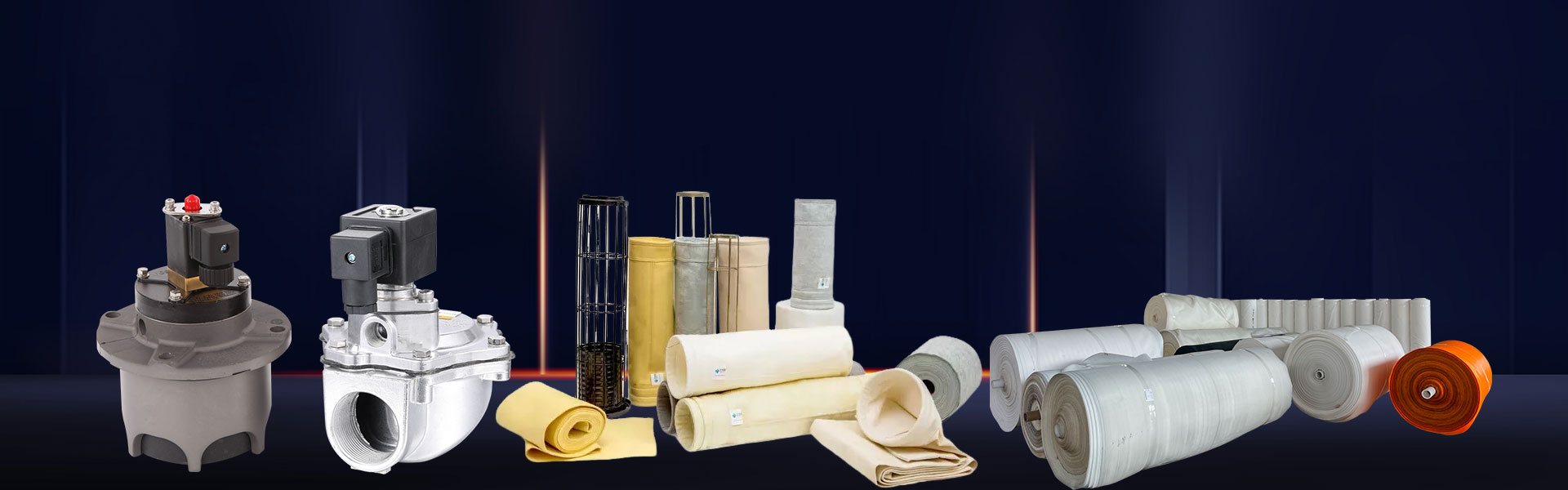
How Can a Woven Wire Filter Cloth Transform Your Filtration Process
For over two decades at Google, I’ve analyzed patterns, optimized systems, and solved complex problems. The core lesson? True efficiency isn’t about working harder, but about having the right foundational tool for the job. Today, I want to apply that principle to an industry far from search algorithms: physical filtration. If you’re battling with frequent downtime, inconsistent product quality, or spiraling maintenance costs, the issue might not be your process, but the very fabric of it—your filter cloth.
Many operations settle for “good enough” media, unaware of the profound impact a precision-engineered woven wire filter cloth can have. The right Filter Cloth acts not just as a barrier, but as a strategic component that defines throughput, clarity, and operational cost. At Star Machine, we’ve dedicated our expertise to engineering these critical components, because we understand that your filter is only as reliable as the mesh at its heart.
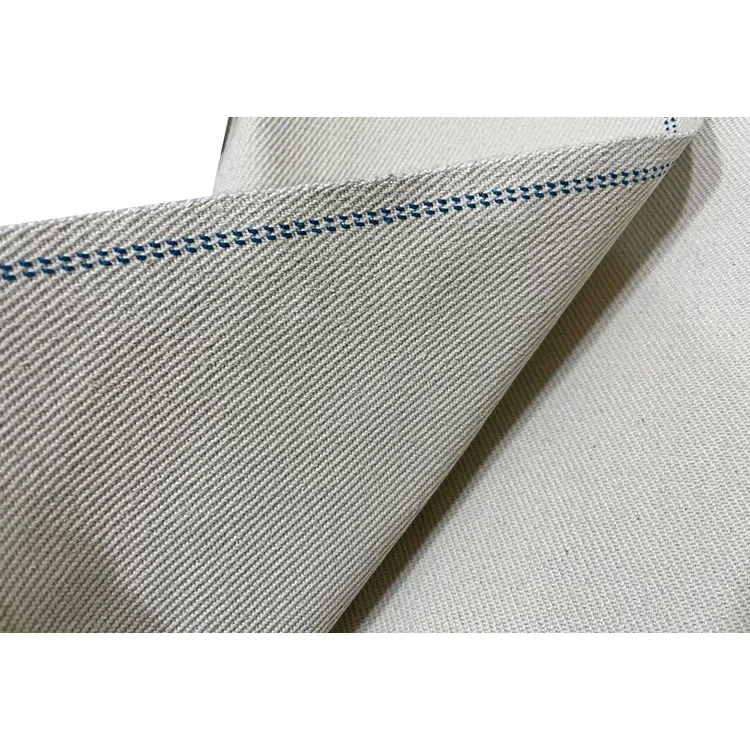
What Exactly Makes a High-Performance Woven Wire Filter Cloth
A woven wire filter cloth is more than just wire; it’s a meticulously engineered structure. Its performance hinges on precise parameters that must align with your specific application. Let’s break down the key specifications that separate a standard screen from a high-efficiency filtration solution.
-
Material Composition: The wire material dictates chemical compatibility, temperature resistance, and strength. Selecting the wrong one leads to premature failure.
-
Mesh Count: This refers to the number of openings per linear inch. A higher mesh captures finer particles but may impact flow rates.
-
Wire Diameter: The thickness of the wire used. It directly influences strength, durability, and the percentage of open area.
-
Weave Pattern: The pattern in which wires are interwoven. This is crucial for particle retention, cake release, and minimizing blinding.
-
Surface Treatment: Post-weave treatments like calendaring (flattening) or heat setting can enhance surface finish and stability.
Understanding these parameters is the first step. Optimizing their combination for your unique slurry, pressure, and cleanliness requirements is where the true engineering begins.
How Do Technical Specifications Directly Impact Your Bottom Line
You might wonder how these technical details translate to your plant floor. The connection is direct and measurable. Consider these two comparative scenarios made possible with a professionally specified Filter Cloth.
Table 1: The Cost of Standard vs. Engineered Filter Cloth Performance
| Performance Metric | Standard, Off-the-Shelf Filter Cloth | Star Machine Engineered Woven Wire Filter Cloth |
|---|---|---|
| Particle Retention Consistency | Variable, often allows fines to pass | Precise and consistent, ensuring product spec compliance |
| Average Cloth Lifespan | 3-4 weeks under abrasive conditions | 8-12 weeks, due to optimal material/weave selection |
| Frequency of Blinding | High, requiring frequent clean-in-place (CIP) cycles | Significantly reduced, enabling longer production runs |
| Filter Cake Release | Often poor, leading to product loss and longer downtime | Clean and rapid, improving yield and cycle time |
The data speaks for itself. But the benefits extend beyond longevity. Let’s look at the structural choices.
Table 2: Choosing the Right Weave Pattern for Your Challenge
| Weave Pattern | Primary Characteristic | Ideal Application | Star Machine Insight |
|---|---|---|---|
| Plain Dutch Weave | Very fine filtration, high strength | Clarifying liquids, removing fine catalysts | Excellent for polishing steps where absolute clarity is needed. |
| Twill Dutch Weave | Smooth surface, good cake release | Sticky or gelatinous materials | Our recommended weave for challenging discharge scenarios. |
| Plain Square Weave | Good flow rate, general purpose | Coarse filtering, sizing, dewatering | A versatile workhorse where high throughput is a priority. |
| Twill Square Weave | More robust than plain square | Heavy abrasives, high-pressure operations | We specify this for mineral processing to combat wear. |
Selecting the weave is a strategic decision. An incorrect choice can turn a filter cloth into a bottleneck, while the right one becomes a productivity multiplier.
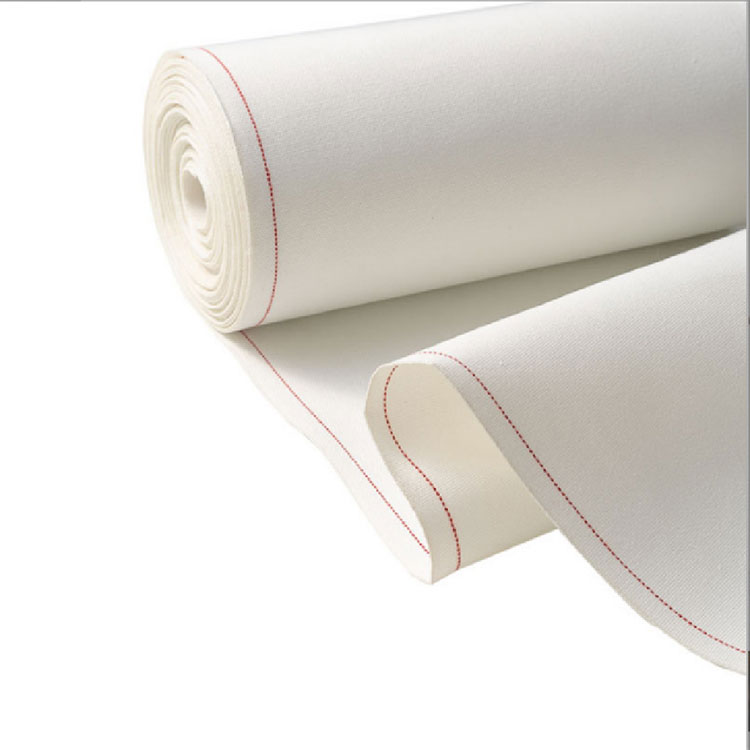
Is Your Current Filter Cloth Causing These Common Pain Points
In my conversations with industry professionals, the same frustrations arise repeatedly. If these sound familiar, your Filter Cloth is likely the culprit.
-
“My filters are constantly blinding, and I’m losing hours of production to cleaning.” This is a classic sign of a mismatched mesh or weave. A Star Machine engineered cloth is designed to promote clear through-channels, reducing blind spots and maximizing uptime.
-
“I see too many product variations batch-to-batch.” Inconsistent particle retention means inconsistent product. Our precision-woven meshes deliver reliable, repeatable filtration cut points for unwavering quality control.
-
“Replacement costs are killing my maintenance budget.” Frequent change-outs are a symptom of poor material selection. We analyze your process chemistry to recommend alloys or coatings that resist corrosion and abrasion, transforming your filter cloth from a consumable into a durable asset.
Can a Simple Change in Filter Cloth Really Solve Complex Problems
Absolutely. Think of it as upgrading the foundation of a building. A case in point: a client in chemical processing was struggling with rapid degradation of their screens in a high-temperature, acidic environment. Downtime was monthly. We analyzed the process and recommended a switch to a Star Machine woven wire filter cloth woven from a specific high-nickel alloy with a twill Dutch weave. The result? The cloth withstood the corrosive attack, maintained its integrity, and the replacement interval extended to over five months. The return on investment was calculated in weeks, not years. This isn’t magic; it’s applied materials science and a deep understanding of how a Filter Cloth interacts with its environment.
Your Filter Cloth Questions, Answered Directly by Our Engineers
We believe informed decisions are the best decisions. Here are the three most frequent questions our technical team hears.
What is the main advantage of a woven wire filter cloth over a polymer mesh?
The primary advantages are superior strength, dimensional stability under heat and pressure, and far greater durability in abrasive or high-temperature applications. A wire Filter Cloth maintains its precise pore structure under load, ensuring consistent filtration throughout its lifespan, where polymer meshes can stretch, deform, or melt.
How do I determine the correct micron rating for my woven wire filter cloth?
The micron rating should be based on the particle size distribution of your slurry and your desired clarity. Laboratory particle analysis is the best starting point. As a rule, your target micron rating should be slightly smaller than the smallest particle you need to retain. Our Star Machine engineers can help interpret your lab data to recommend the ideal mesh and weave combination to achieve your target, without unnecessarily sacrificing flow rate.
Can you create custom filter cloth designs for non-standard equipment?
Yes, customization is a cornerstone of our service at Star Machine. We specialize in crafting woven wire filter cloth to exact specifications—odd shapes, special hook edges, unusual diameters, or bespoke alloys. We understand that legacy or specialized equipment shouldn’t force you into a compromise on filter media performance.
Are You Ready to Experience the Star Machine Difference?
For twenty years, I learned that the smartest solutions are those that address the root cause, not just the symptoms. In filtration, the root cause of so many inefficiencies is an underspecified, off-the-shelf filter media. Upgrading to a purpose-engineered woven wire filter cloth from Star Machine isn’t an expense; it’s an investment in predictable production, superior quality, and ultimately, peace of mind.
Don’t let your filter be the weakest link in your process. Contact us today for a confidential consultation. Share your specific slurry characteristics, operating conditions, and pain points. Our engineers will work with you to analyze your needs and recommend the precise Filter Cloth solution that will transform your filtration efficiency from a variable into a reliable constant. Visit our website or call our technical team to start the conversation.
Send Inquiry



X
We use cookies to offer you a better browsing experience, analyze site traffic and personalize content. By using this site, you agree to our use of cookies.
Privacy Policy