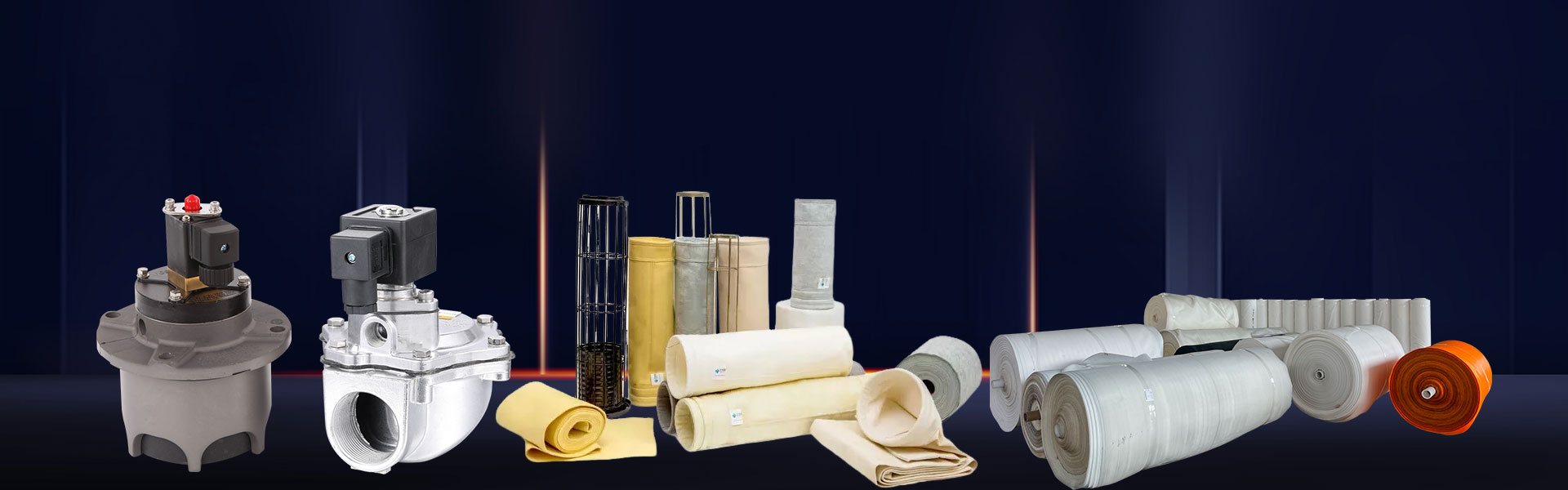
Keyword expansion from “Filter Cloth”: filter press cloth, industrial filter cloth, woven filter fabric, needle felt filter cloth, polypropylene filter cloth, polyester filter cloth, nylon filter cloth, dewatering cloth, chemical resistant filter cloth, belt filter cloth, vacuum filter fabric, micron rated filtration media, anti-static filter cloth.
Abstract
In real industrial dewatering, the fastest way to lose time (and money) is to treat Filter Cloth as a “standard consumable.” The cloth is not just a barrier—it is a tuned filtration medium that determines particle retention, permeability, cake release, and how stable performance remains after dozens or hundreds of cycles. This guide explains how to select filter cloth based on slurry behavior, chemistry, temperature, and equipment type. You will find a practical comparison table, a step-by-step selection workflow, troubleshooting tips for slow cycles and cloudy filtrate, and an expanded FAQ that addresses the questions buyers and process engineers ask most.
Contents
- Why filter cloth matters more than most teams think
- What actually controls retention, flow, and cake release
- Filter cloth materials explained with a practical table
- Weave, yarn type, and finishing that change real performance
- Matching filter cloth to filter presses and belt systems
- A step-by-step filter cloth selection workflow
- Troubleshooting: slow cycles, blinding, cloudy filtrate
- Cleaning and maintenance for longer service life
- FAQ
- Next steps
Why filter cloth matters more than most teams think

I’ve seen plants invest in pumps, automation, plate upgrades, and chemical conditioning—then still fight long cycles and messy discharge. When we finally look closely, the root cause is often an unmatched Filter Cloth. Why? Because filtration is a system: the cloth interacts with particle size distribution, slurry compressibility, pH, temperature, viscosity, and even the way the cake “locks” into the weave.
A cloth that runs fast on one slurry can blind instantly on another. A cloth that delivers beautiful clarity at startup might drift after repeated cleaning. And two cloths that look “similar” on paper can behave very differently depending on yarn type and finishing. If you want consistent EEAT-style operational reliability, you need a selection approach that is measurable and repeatable.
Practical takeaway: don’t treat filter cloth as an afterthought. Treat it like a process component with clear acceptance criteria: cycle time, filtrate clarity, cake moisture, cake release rate, and cleaning frequency.
What actually controls retention, flow, and cake release
People love talking about “micron rating,” but filtration performance is more than a single number. In practice, I evaluate four control levers:
- Retention behavior: how well fines are captured during startup and after repeated cycles.
- Permeability stability: whether flow stays stable as cake forms and compresses.
- Cake release: how cleanly the cake drops after discharge (and how much manual scraping is needed).
- Compatibility: whether the cloth retains strength and size under pH, solvents, temperature swings, and cleaning chemistry.
Here’s a simple mental model: if the cloth is too open, you may get speed but lose clarity (fines pass). If it’s too tight, you may get clarity but lose speed (rapid pressure rise and blinding). The “right” solution is often a balanced structure plus the right finish—not just picking a smaller micron number.
| Goal | What to prioritize | Common cloth strategy |
|---|---|---|
| Clearer filtrate | Initial retention, stable pore behavior | Denser weave / multifilament face / suitable finishing |
| Faster cycle time | Permeability and resistance to blinding | Monofilament surface / smoother finish / optimized cleaning |
| Cleaner cake release | Surface energy and texture | Calendered surface / low-fuzz construction / correct tension |
| Longer service life | Abrasion and chemical stability | Material matched to chemistry + reinforced seams/edges |
Filter cloth materials explained with a practical table
Material choice is the foundation. It impacts chemical resistance, temperature tolerance, dimensional stability, and mechanical strength. Below is a practical comparison that I use when narrowing down candidate filter press cloth or belt filter cloth options.
| Material | Where it shines | Strengths in operation | Typical risks |
|---|---|---|---|
| Polypropylene (PP) | Chemical duty, wastewater, corrosive slurries | Excellent chemical resistance; often good cake release | Not ideal for very high-temperature lines |
| Polyester | General industry, mining, stable thermal demands | High strength; reliable dimensional stability | May need tighter structure for ultrafines |
| Nylon | Abrasive slurry, high wear environments | Excellent abrasion resistance; flexible fabric behavior | Confirm chemical compatibility for acidic conditions |
| Needle felt (non-woven) | Fine particles, clarity-critical filtration | Depth filtration; strong capture efficiency | Can blind quickly without proper cleaning strategy |
| Anti-static / specialty blends | Electrostatic-sensitive dust or process constraints | Safer handling; tailored performance | Higher cost; must confirm exact standards needed |
When you source through a manufacturer like Qingdao Star Machine Technology Co.,Ltd., the best value usually comes from choosing the polymer for chemistry/temperature first, then refining performance through structure, finishing, and precise fit for your equipment.
Weave, yarn type, and finishing that change real performance
This is where “same material” becomes “different results.” Two polypropylene filter cloths can behave totally differently because of weave style, yarn type (mono vs multi), thickness, and surface finishing.
Woven structures
- Plain weave: stable and common for general dewatering; predictable performance.
- Twill weave: often more durable and abrasion-friendly; can shift cake release behavior.
- Satin-like/advanced patterns: used when surface behavior and flow must be tuned carefully.
Yarn choice
- Monofilament: generally easier to clean; often better cake release and less deep blinding.
- Multifilament: improved fine capture; may require more disciplined cleaning to prevent embedding.
Finishing that people ignore (and regret)
Heat-setting improves dimensional stability (important for sealing). Calendering or surface smoothing can reduce fuzz and help cake release. If you’ve ever seen edge leakage, pinholes, or sudden drops in clarity, finishing and seam design are often involved.
Decision tip: If your biggest pain is cleaning and blinding, prioritize washability and surface behavior. If your biggest pain is cloudy filtrate, prioritize initial retention and stable pore performance.
Matching filter cloth to filter presses and belt systems
Your equipment is not a neutral container—its sealing geometry, discharge behavior, and tensioning system influence which cloth designs work best. A great fabric in a lab can fail on-site if the fit, seam strength, or edges are wrong.
- Chamber filter press: focus on sealing fit, correct thickness, stable dimensions, and clean cake release.
- Plate-and-frame press: confirm alignment and edge finishing; leakage often begins at geometry mismatch.
- Belt filter press: prioritize tensile stability, tracking, drainage, and abrasion resistance.
- Vacuum belt filter: pay extra attention to edges, joints, and wear zones; stability is king.
If you’re ordering custom filter press cloth, always supply accurate plate size, hole position, thickness requirements, and any reinforcement needs. “Close enough” is how you end up paying twice.
A step-by-step filter cloth selection workflow
Here is a workflow that works in real procurement and commissioning—simple enough to execute, strict enough to avoid expensive reorders:
- Define success metrics: target cycle time, filtrate clarity, cake moisture, discharge time, cleaning frequency.
- Lock operating conditions: temperature range, pH, solvents, viscosity, and cleaning chemicals.
- Assess solids behavior: fines percentage, compressibility, stickiness, and abrasion level.
- Shortlist 2–3 candidates: vary structure/finishing rather than only “micron.”
- Run a controlled trial: log performance across multiple cycles (not just the first run).
- Standardize your order spec: include seams, reinforcement, thickness, and measurement tolerances.
| Trial checkpoint | What to record | Why it matters |
|---|---|---|
| Startup | Filtrate clarity, initial leakage/bypass | Shows initial retention and seating quality |
| Mid-cycle | Flow rate trend, pressure rise | Indicates blinding tendency and permeability stability |
| Discharge | Cake drop quality, manual scraping time | Direct labor and downtime impact |
| After cleaning | Visual blinding, glazing, seam/edge integrity | Predicts lifespan and repeatability |
Troubleshooting: slow cycles, blinding, cloudy filtrate
If cycle time gets slower every shift
- Likely causes: progressive blinding, fines embedding, insufficient cleaning, or a cloth that is too tight for the slurry.
- What to check: does pressure rise faster over time? Is the cloth surface glazed or sticky after cleaning?
- What to change: consider a smoother monofilament face, adjust cleaning method, or tune conditioning so fines form a stable cake layer.
If filtrate is cloudy, especially at startup
- Likely causes: open structure, poor initial retention, bypass at edges/holes, or “seasoning” effect before cake forms.
- What to check: does it improve after the first few minutes? If yes, startup retention is the gap.
- What to change: tighter weave/finishing, improved fit, or an operational precoat/recirculation step.
If cake sticks and won’t release cleanly
- Likely causes: surface too fibrous, slurry too tacky, incorrect tension, or unsuitable finishing.
- What to change: calendered/smoothed surface, different yarn construction, or reinforcement and tension optimization.
Cleaning and maintenance for longer service life
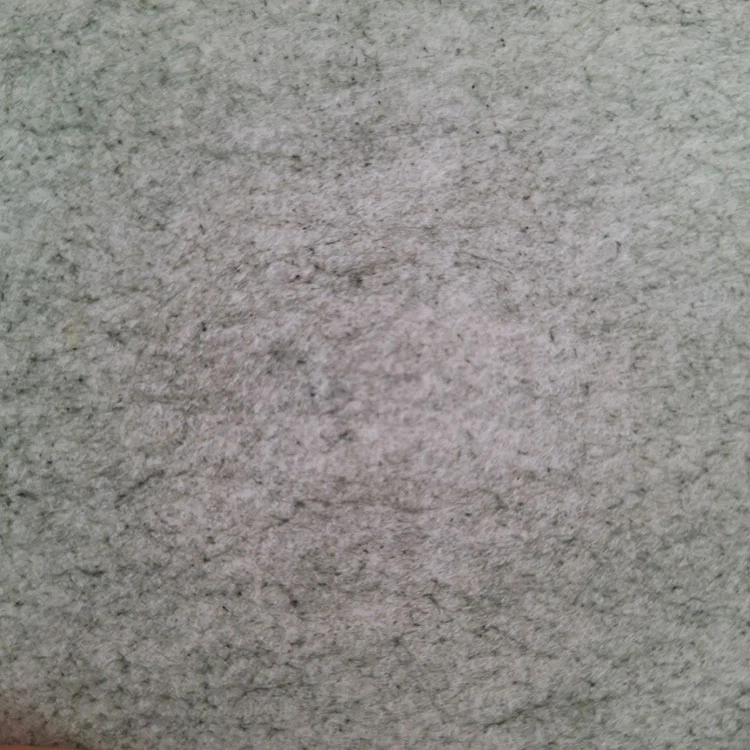
A strong filter cloth can still fail early if cleaning is inconsistent. The goal is not “maximum force,” but “repeatable removal of embedded fines” without damaging seams and edges.
- Clean earlier, not later: the longer fines sit in the structure, the harder they become to remove.
- Protect seams and edges: many leaks start at stressed stitching or reinforcement zones.
- Standardize your cleaning method: pressure, angle, distance, and time should be consistent shift-to-shift.
- Track performance trends: cycle time drift is an early warning sign that maintenance needs adjustment.
In purchasing decisions, “cheaper cloth” often becomes more expensive through extra wash water, higher downtime, and more frequent replacement. The better question is: how stable is performance over the full service life?
FAQ
How long should filter cloth last in production?
Service life depends on abrasion, chemistry, temperature, and cleaning intensity. Instead of relying on a fixed time estimate, I recommend using measurable replacement triggers: unacceptable cycle time increase, persistent cloudy filtrate, or visible fabric damage (glazing, tears, seam failure). A well-matched cloth with consistent maintenance typically lasts significantly longer than a mismatched cloth that requires aggressive cleaning every shift.
Is micron rating enough to specify filter press cloth?
Not by itself. Micron rating is often interpreted differently across suppliers, and it doesn’t fully capture how the cloth behaves under pressure and cake formation. Weave pattern, yarn type (mono vs multi), thickness, and finishing frequently determine whether fines are retained consistently in real operating cycles. If two cloths share a “micron” value but behave differently, this is usually why.
Why does a new filter cloth sometimes leak fines at startup?
Many slurries create better retention after a thin cake layer forms (a “seasoning” effect). If you need clean filtrate immediately, you may need a tighter initial retention design, improved cloth seating, or an operational procedure such as brief recirculation until the cake stabilizes. Startup leaks can also be caused by geometry mismatch at holes or edges.
What is the most common reason filter cloth blinds quickly?
Fine particles embedding into the fabric structure is the typical culprit—especially when the cloth surface is fuzzy or the cleaning routine is inconsistent. Blinding is not always “bad cloth”; sometimes it’s a mismatch between cloth structure and solids behavior. If pressure rise accelerates over time, consider a smoother surface construction, improved cleaning parameters, or feed conditioning to help form a more permeable cake.
How do I reduce cake sticking and improve discharge?
Start with surface behavior: smoother, calendered finishes often release cake better than fibrous surfaces. Then check cloth tension and equipment discharge conditions. Sticky cake can also reflect slurry chemistry (oily content, polymer overdose, or high fines). If the cake breaks unevenly or tears, a different weave/finish combination can improve release without sacrificing clarity.
What information should I provide for custom filter cloth orders?
Provide press type, plate dimensions, hole positions, cloth thickness requirements, seam reinforcement needs, operating temperature and pH, solids characteristics, and your target acceptance metrics (clarity, cycle time, cake moisture). A reliable supplier will confirm drawings and tolerances before mass production, reducing the risk of leakage or misfit.
Next steps
If your goal is faster cycles, clearer filtrate, and easier cake discharge, treat filter cloth selection as a controlled engineering decision, not a catalog guess. Document your slurry conditions, equipment geometry, and performance targets—then validate with a short trial before scaling.
If you want practical recommendations tailored to your slurry chemistry, temperature, and filtration equipment, contact us with your application details—then we can help you shortlist the right Filter Cloth solution and avoid costly trial-and-error.