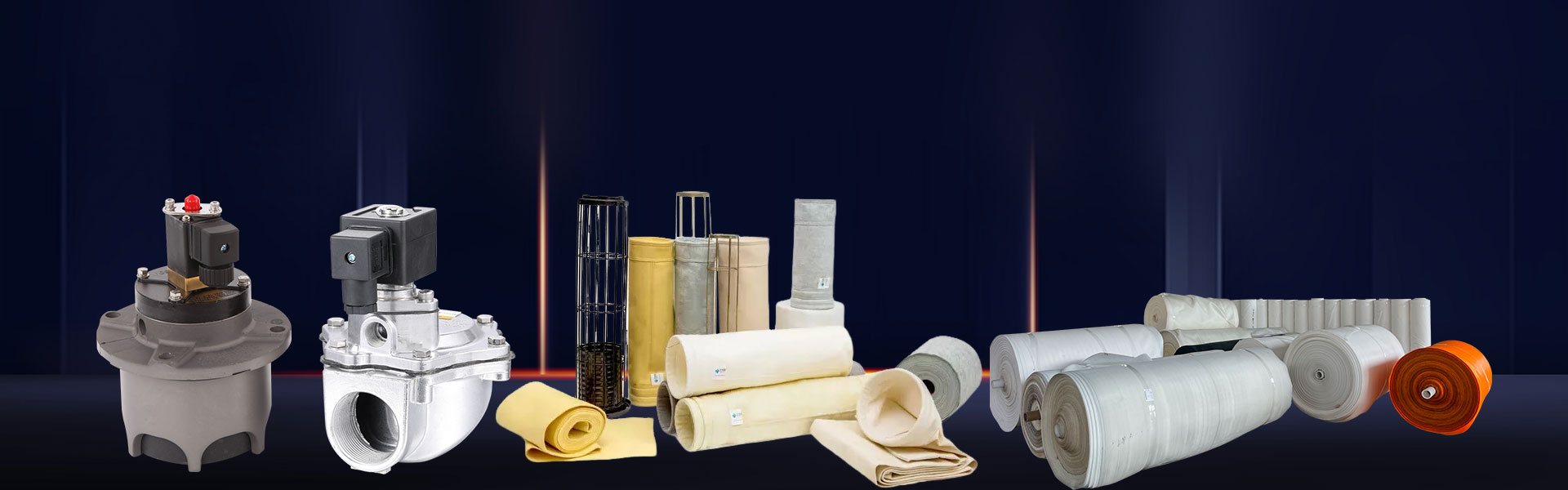
How to Select the Right Dust Collection Filter Bag?
Choosing the appropriate dust removal filter bag is crucial for dust removal efficiency, equipment lifespan, and environmental compliance. Recently, SMCC shared professional technical guidelines, which clearly state that the scientific selection of filter components for industrial dust removal equipment is based on operating temperature, flue gas composition, dust characteristics, and cleaning methods. The guidelines have important guiding significance for improving dust removal efficiency, reducing operating costs, extending equipment life, and ensuring environmental emissions standards
1.Flue Gas Working Conditions: Core Basis for Filter Bag Selection
As the core component of bag filter, the performance of filter bag directly determines the stability and environmental protection effect of the dust removal system. The technology center points out that the correct selection of filter bags must be based on a precise grasp of the working conditions.
Temperature Resistance Matching
The selection of filter bags is primarily based on the temperature of the flue gas, and corresponding filter materials are matched according to the temperature range.
Normal temperature condition (< 130 ℃): Polyester needle punched felt and other normal temperature filter bags can be selected.
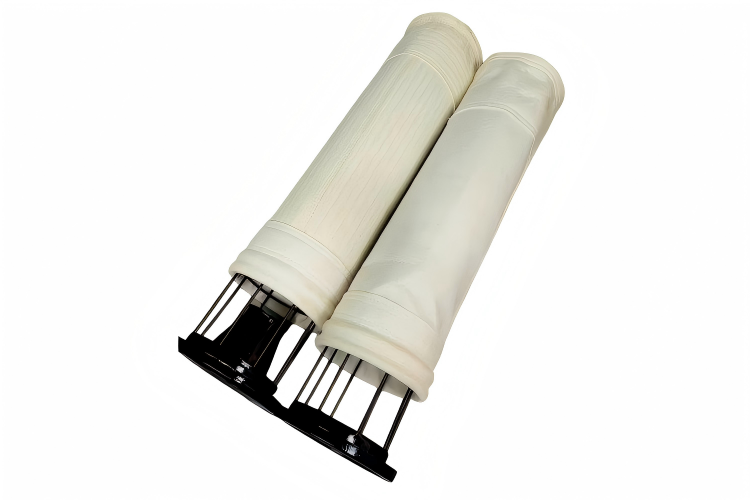
Polyester filter bag
Medium temperature conditions (130 ℃ -180 ℃): suitable for PPS filter bags, PPS and PTFE blended filter bags, suitable for scenarios such as coal chemical industry and coal-fired power plants.
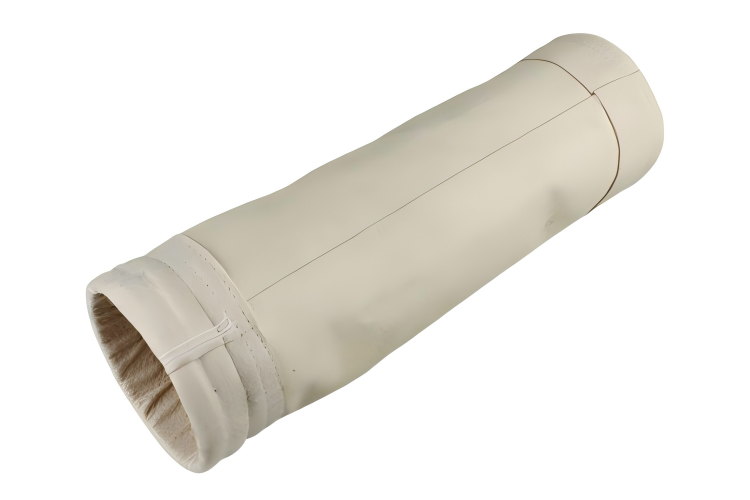
PPS Filter Bag
High temperature conditions (180 ℃ -280 ℃): Carbon reducing filter bags can be used, with a maximum Temperature resistance of 260 ℃, suitable for waste incineration, cement, and metallurgical industries.
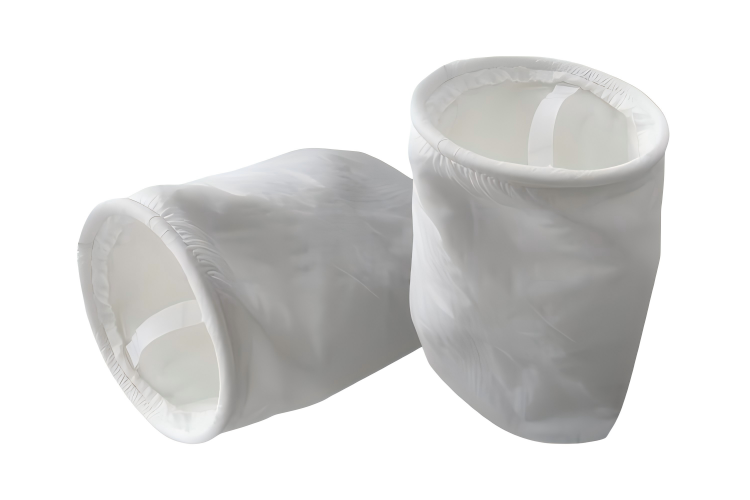
Activated carbon filter bag
Ultra high temperature conditions (>280 ℃): High entropy metal filter bags are recommended, with a maximum operating temperature of up to 800 ℃.
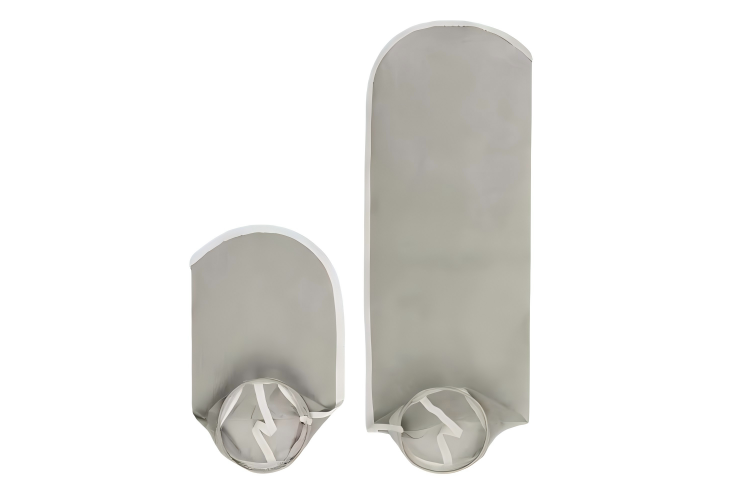
Metal filter bag
Flue Gas Humidity
The humidity of flue gas directly affects the stability of filter bag operation.
High humidity gases with a relative humidity greater than 80% are prone to condensation under high temperature and SO ₂ conditions, causing filter bag blockage and equipment corrosion. Therefore, it is necessary to prioritize the use of filter materials that are resistant to hydrolysis, have a smooth surface, and are easy to clean, and control the flue gas temperature to be 10-30 ℃ higher than the dew point temperature.
Chemical Corrosion Resistance
The chemical corrosiveness of flue gas determines the matching degree of chemical resistance of filter media.
Polyester: resistant to acid and alkali at room temperature but easily hydrolyzed at high temperatures;
Polypropylene: corrosion-resistant but limited in temperature resistance;
Aramid: has good temperature resistance but weak chemical resistance at high temperatures;
PPS: acid and alkali resistant, hydrolysis resistant but with limited antioxidant properties, suitable for environments with oxygen content<10%;
PTFE: has the best chemical resistance, but is relatively expensive;
P84: Good overall performance, average hydrolysis stability.
2.Dust Physical & Chemical Properties: Key Selection Factors
The adhesion and deliquescence of dust affect the cleaning and service life of filter bags.
Dust Abrasion Resistance
Hydrophilic and deliquescent dust is prone to sticking and forming bags. Hydrophobic, smooth surface, and non pilling filter bags should be selected, with priority given to coated filter materials and plastic fired boards. High adhesion dust should be treated with easy to clean structural filter bags.
The abrasion resistance of dust determines the wear resistance level of filter bags.
Irregular and high hardness dust has strong wear resistance, and it is necessary to use filter materials with excellent wear resistance, and strictly control the airflow velocity and uniformity; Fiberglass filter bags treated with silicone oil, graphite, and PTFE can enhance their wear and bending resistance.
Dust Flammability & Static Electricity
The flammability and electrical charge of dust involve safety operation requirements.
Flammable and explosive dust should be treated with flame-retardant and anti-static filter bags. Stainless steel conductive fibers or modified conductive fibers should be added to the fibers to provide continuous conductivity and reduce the risk of electrostatic sparks.
3.Dust Collector Cleaning Method: Important Selection Condition
The cleaning method directly determines the structure and material selection of the filter bag. Different cleaning mechanisms have put forward differentiated requirements for the mechanical properties of filter bags.
Pulse jet cleaning is a high kinetic energy cleaning method that requires the use of thick, wear-resistant, and strong tensile needle punched felt or compressed felt filter bags.
Chamber back blowing and vibration back blowing are low kinetic energy dust cleaning methods, and it is recommended to use lightweight, soft, and easily deformable woven filter bags or thin needle punched felt.
Mechanical vibration requires filter bags to be thin and smooth, which is conducive to vibration transmission.
Conclusion
The selection specifications for filter bags and filter cartridges released this time integrate comprehensive parameters such as temperature, humidity, corrosion, dust, and cleaning to form a standardized and practical industrial dust removal filter component selection system, providing technical support for the design, renovation, and stable operation of environmental protection dust removal systems in various industries. With the continuous improvement of industrial environmental protection requirements, scientific selection will further promote the efficient, low-cost, and long-term operation of dust removal systems.
If you need help selecting the right filter bag for your project, contact our team for free technical support.
Email:info@trustyfilter.com
Send Inquiry



X
We use cookies to offer you a better browsing experience, analyze site traffic and personalize content. By using this site, you agree to our use of cookies.
Privacy Policy