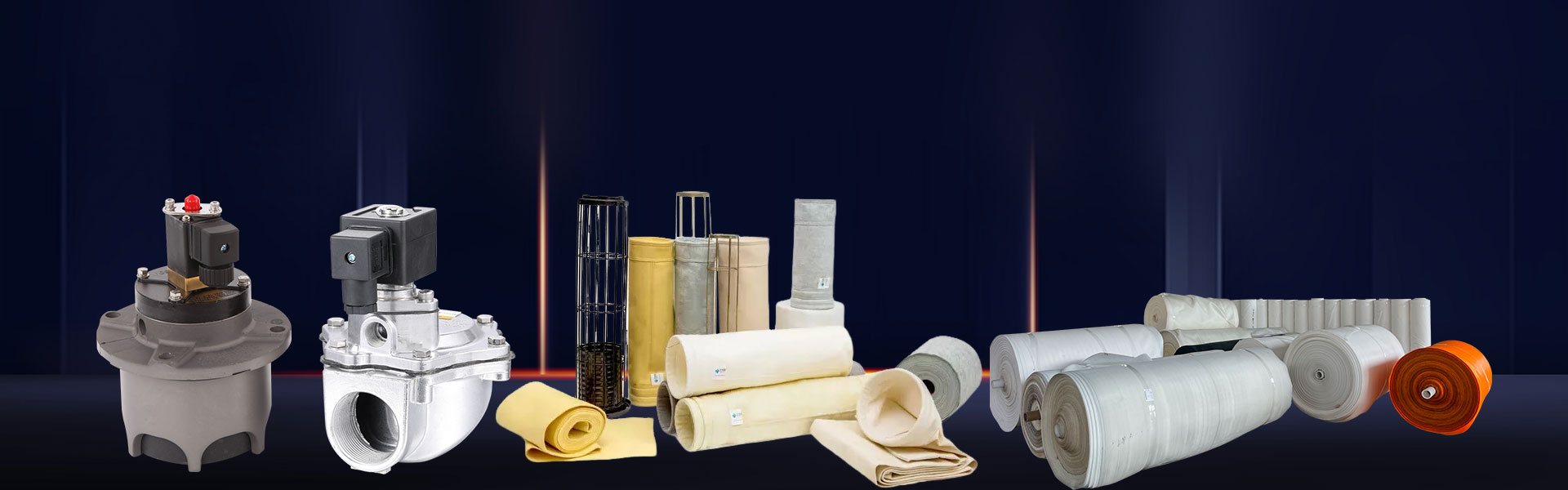
Biomass Ash Changes. Your Filter Bag Specification Should Too
As of August 2026, a useful filter-bag review for a biomass boiler starts with one fact: biomass ash is not a single, predictable dust. Wood chips, pellets, rice husk and agricultural residues can bring different moisture, ash and combustion behavior. When the fuel mix changes, a bag that worked last season may begin to blind, pulse more often or show an unstable pressure drop.
Why do biomass boiler filter bags block too soon?
IEA Bioenergy notes that biomass-fuel characteristics vary with the material and its pretreatment, while chemical composition influences ash behavior, emissions and corrosion. U.S. EPA guidance adds that moisture and corrosive content are major design factors for fabric filters. Condensation, hygroscopic dust or tar-like material can create hard caking and plug the media. In plain terms, a filter bag can appear worn out when the real problem is a mismatch between the gas, the ash and the filter surface.
If operators replace the bag with an identical copy without reviewing the cause, the same high differential pressure, weak cake release or frequent cleaning can return. The replacement order solves the calendar date, but not the filtration problem.
When does a PPS filter bag with PTFE membrane make sense?
PPS needle felt is used in hot-gas filtration because PPS fibers offer heat resistance, chemical resistance and hydrolytic stability. A PTFE membrane adds a fine surface layer that helps keep small particles closer to the outside of the bag instead of deep inside the felt. In pulse-jet systems, easier surface release can support steadier cleaning and reduce the need to pulse simply because dust has buried itself in the media.
That does not mean PPS is the right answer for every biomass boiler. Temperature peaks, oxygen level, moisture, acid gases, dust abrasiveness and startup or shutdown condensation still matter. If the operating window is unsuitable for PPS, Star Machine can discuss alternatives such as polyimide, fiberglass blends or higher-PTFE constructions. The material name should follow the process, not lead it.
A replacement bag should solve a symptom, not copy it
Rising pressure drop and sticky cake may point to surface treatment or condensation review. Holes near the bottom may indicate poor cage fit, incorrect bag length, abrasion or missing reinforcement. Dust on the clean side may lead back to the snap band, tube-sheet opening, seams or installation. These clues help define the next bag more accurately than a purchase order that only says same as before.
What should buyers send for a custom filter bag?
Qingdao Star Machine Technology Co., Ltd. can work from a drawing, measured sketch, clear photographs or an old filter-bag sample. Useful details include bag diameter and length, cage dimensions, tube-sheet opening, top and bottom style, current media and finish, operating and peak temperature, biomass fuel, visible dust behavior and the problem that triggered replacement.
The buyer does not need to diagnose everything first. Star Machine can organize the information, compare practical media and construction options, and confirm the agreed specification before production. This keeps the conversation focused on fit, cleaning behavior and service life rather than on a low unit price alone.
Send Inquiry



X
We use cookies to offer you a better browsing experience, analyze site traffic and personalize content. By using this site, you agree to our use of cookies.
Privacy Policy