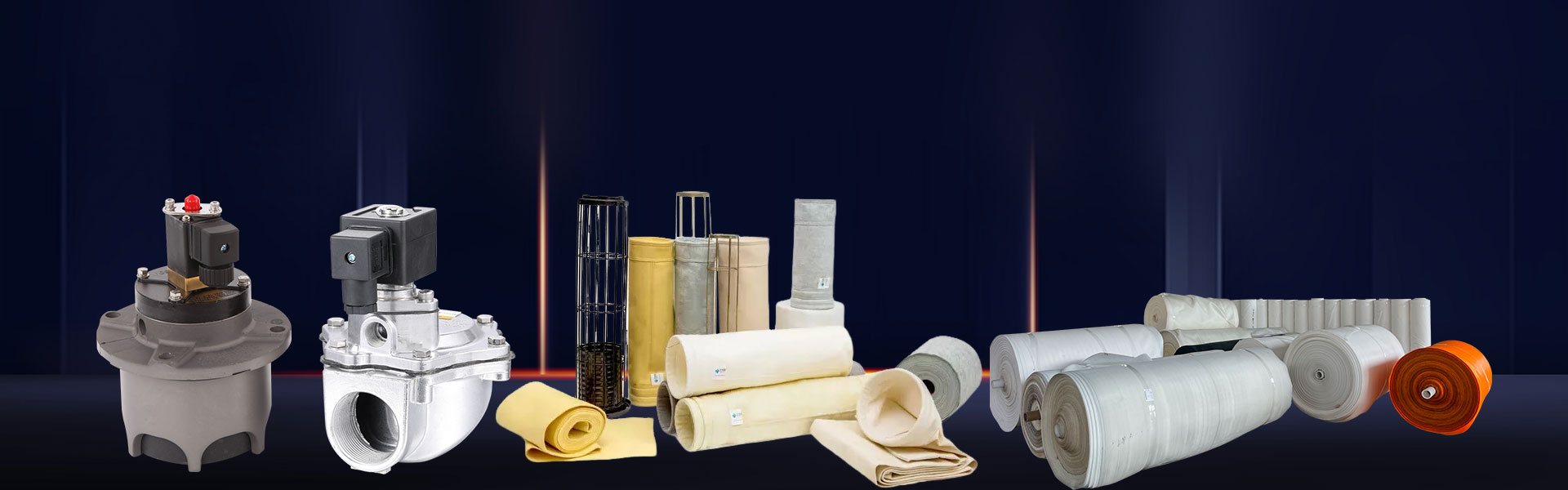
Custom Fluid Bed Filter Bags Made from Drawings or Samples
When the Standard Bag Does Not Fit: Custom Fluid Bed Filter Bags Made Your Way
As of August 2026, buyers searching for a replacement fluid bed filter bag often face one of two problems: the original spare is expensive, or the machine model is no longer supported. Qingdao Star Machine Technology Co., Ltd. manufactures custom bags from a technical drawing, measurements or an original bag sent to our factory. We reproduce the shape, openings and fixing details instead of offering the “closest” catalogue size.
What does a fluid bed filter bag do?
A fluid bed filter bag captures fine particles while warm process air leaves the drying chamber. Upward airflow lifts and mixes the material so it can dry evenly. Fine powder rises with the air, and the filter bag stops that powder from leaving the process area.
GEA explains that process filters trap small particles and return them to the bed when cleaned. Fluid Air notes that full-length bags can reduce chamber-wall buildup. The bag therefore affects product recovery, airflow and cleanup time.
Why do replacement fluid bed filter bags need customization?
Fluid bed dryers that look similar may use different bag heights, diameters, seams and attachment methods. Some machines were also modified after installation. A generic bag can be only a few centimetres wrong and still hang badly, seal poorly or take too long to install.
Custom production is useful when the original part is discontinued, the bag has an unusual closure or a previous replacement did not fit. We can also discuss material options for different powders and processes.
Conductive and non-conductive filter fabrics are both used in the market. The suitable choice depends on the powder, operating temperature, airflow, cleaning method and the equipment owner’s static-control requirements. We confirm these details before production rather than assuming one fabric is right for every dryer.
Should you send a drawing or an old sample bag?
Both routes work. A drawing is normally faster for a documented replacement part. An original sample is often more useful when the dryer is old, the filter bag has an uncommon shape or nobody at the plant knows which dimensions matter.
| What you provide | Best use | What we review |
| Drawing or CAD file | New or fully documented equipment | Dimensions, seams, openings and attachment details |
| Measured sketch | A simple replacement bag | Height, diameter, neck and fixing points |
| Used sample bag | Old machines and unusual shapes | Pattern, fabric, reinforcement and closure method |
| Model number and photos | An early quotation | Probable bag style and missing information |
Clean a used sample according to the plant’s safety procedure before shipping it. If the old bag has stretched or shrunk, tell us where it became loose or tight. We can compare the sample with the machine dimensions instead of copying its wear.
How does custom filter bag production work?
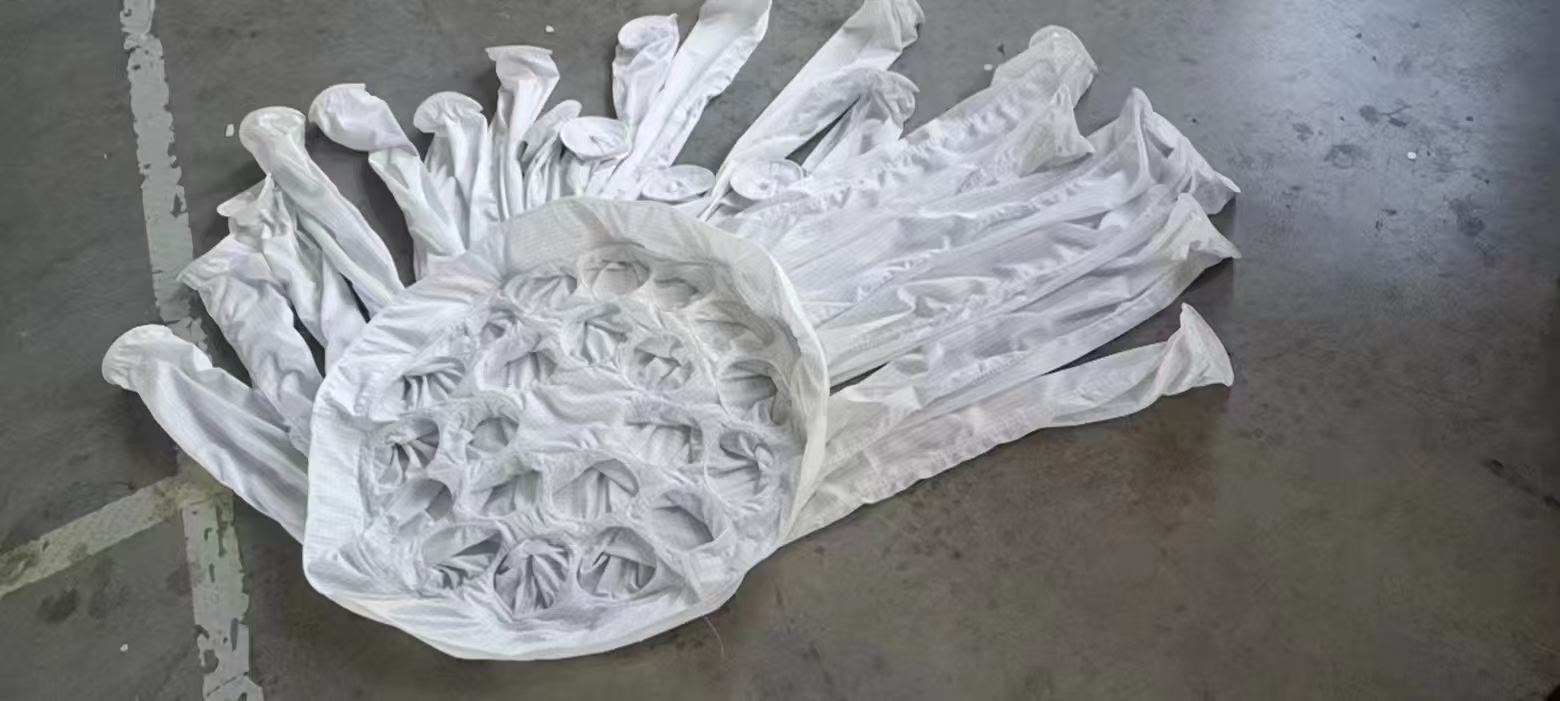
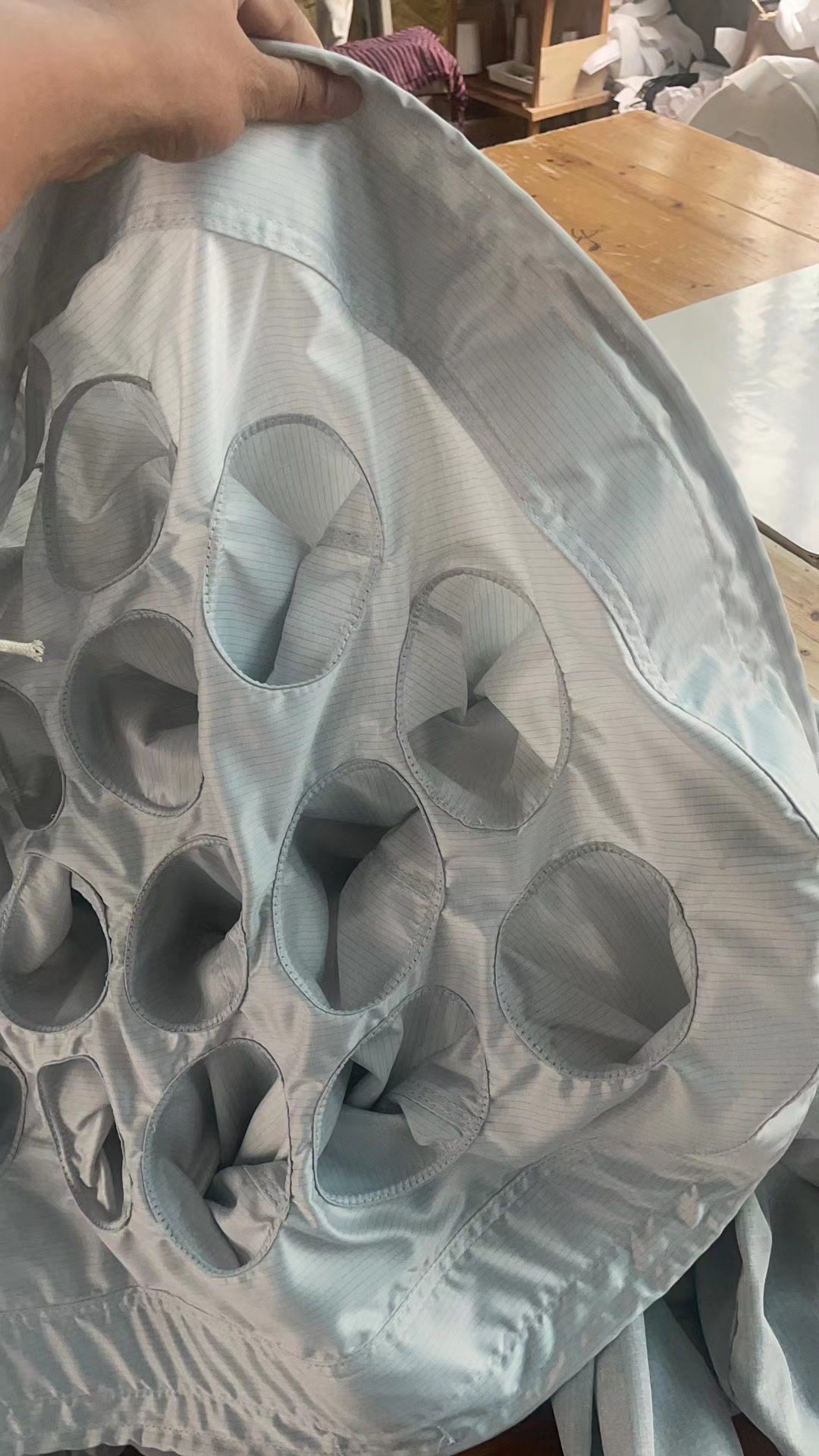
Our team reviews the drawing, measurements, photographs or sample, then confirms the shape, attachment method, fabric and working conditions. After the quotation and pattern are approved, the bag is manufactured and its finished dimensions are inspected.
Customers can request a part number, equipment code or batch mark for easier identification.
Application example: replacing a discontinued bag for a 120 kg dryer
The following composite example is based on common replacement enquiries. It shows how a custom project can work; it is not a verified named-customer testimonial.
A nutraceutical powder plant in Southeast Asia operated a 120 kg fluid bed dryer that was more than ten years old. Its original filter bag was no longer a standard spare. One local replacement hung too low; another pulled around the upper fixing points. Operators needed about 40 minutes to fit a bag and sometimes saw powder near the upper seal.
The maintenance manager sent us the worn bag, chamber photos and dryer nameplate. Our team measured the sample, checked the fixing loops and prepared an adjusted pattern with reinforced high-stress areas.
During a four-week trial in this composite scenario, installation time fell from about 40 minutes to 18 minutes. The replacement sat correctly, and operators did not observe the earlier powder trace. The plant then ordered two spares.
The important part is the route to the result: inspect the real equipment, study the old bag, correct known fit problems and approve the pattern before cutting fabric.
What should you send for a quotation?
Send the equipment model, drawing or photos, main dimensions, fastener details, known fabric, powder type, operating temperature, quantity and destination. If information is missing, start with photos or the cleaned old bag; our team will explain what to measure next.
Frequently asked questions about fluid bed filter bags
Can you copy a filter bag without a drawing?
Yes. We can inspect a customer-supplied sample and reproduce its construction. Installation photos help us understand how it sits inside the dryer.
Can you correct the size of a worn sample?
Yes. Mark any loose or tight areas and provide the matching machine dimensions. We will confirm the adjusted pattern before production.
Can I order a sample before a larger batch?
Sample and small-batch arrangements can be discussed during quotation. A first-piece fit check is useful for an old dryer or a bag reproduced from a worn sample.
Send us the bag you cannot find in a catalogue
An older dryer does not always need a costly modification because its filter bag is hard to source. Send Qingdao Star Machine Technology your drawing, dimensions or cleaned sample. We will review the information and prepare a custom fluid bed filter bag proposal.
Send Inquiry



X
We use cookies to offer you a better browsing experience, analyze site traffic and personalize content. By using this site, you agree to our use of cookies.
Privacy Policy