How to Choose the Right Pulse Jet Filter Bag
The Best Pulse Jet Filter Bag Is the One You Stop Thinking About
As of August 2026, the basic job of a pulse jet filter bag has not changed: capture dust, release it during cleaning and keep the collector breathing. Yet many bag problems begin with an ordinary purchasing shortcut. The length looks right, the diameter looks close, and nobody checks the cuff until installation day.
Which pulse jet filter bag material should you choose?
There is no single “best” filter fabric. Polyester, aramid, PPS, P84, fiberglass and PTFE-based options all suit different working conditions. Temperature matters, but so do moisture, dust chemistry, abrasion and the way dust releases from the surface.
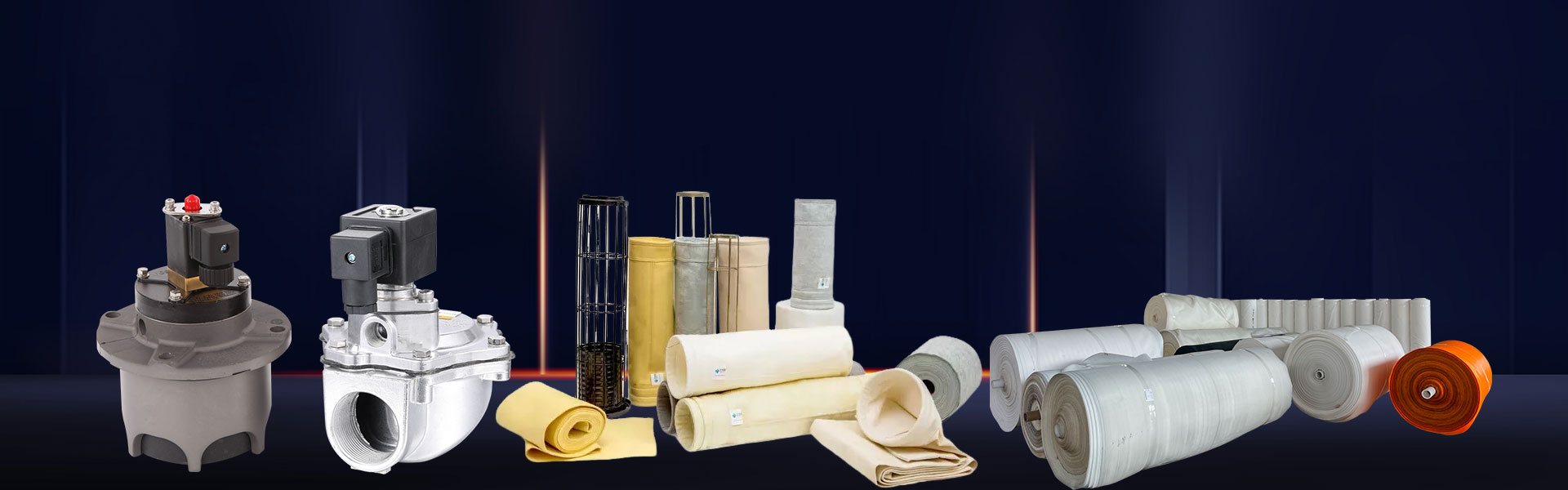
Qingdao Star Machine Technology Co., Ltd. supplies pulse jet dust collector filter bags in a broad range of materials and finishes. Tell us what the collector handles and how it runs; we will help narrow the options without turning the conversation into a chemistry lesson.
Why does filter bag construction matter?
Two bags made from the same fabric can fit very differently. Snap bands, flanges, ring tops, corded cuffs and reinforced bottoms each serve a particular collector design. The tube-sheet opening and filter cage must also match the bag.
That is where our product range becomes useful. We make standard and custom pulse jet filter bags in different diameters, lengths, top styles and bottom constructions. A drawing is welcome. So is an old sample when the original part number has disappeared.
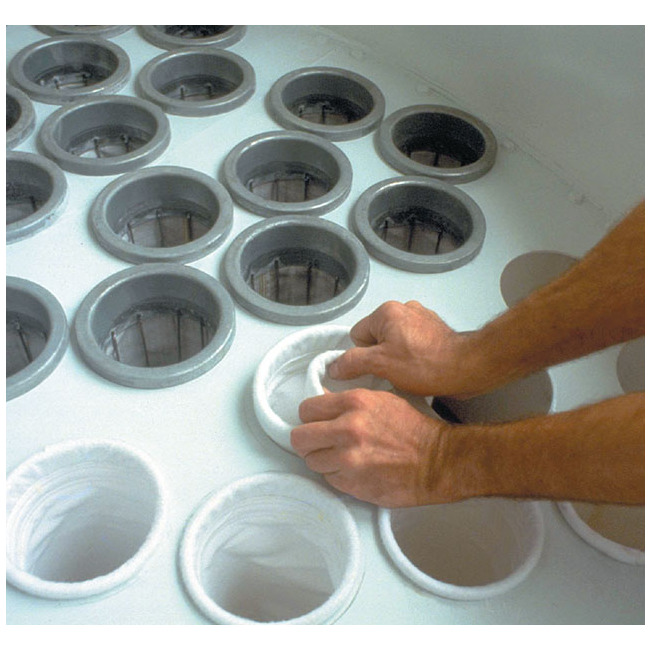
Before asking for a quotation, send five things: bag dimensions, clear photos of both ends, cage size, working temperature and dust type. Those details usually tell us more than a faded label.
The right filter bag should not demand attention every week. It should fit, seal and get on with the job. When you need another size or material later, Qingdao Star Machine Technology should be the name that comes back to mind.
Send Inquiry



X
We use cookies to offer you a better browsing experience, analyze site traffic and personalize content. By using this site, you agree to our use of cookies.
Privacy Policy