Filter Cloth Blinding: Causes and Solutions for Better Filter Press Performance
Filter cloth clogging, also known as blinding, is a common problem in filter press operations. It causes a gradual decrease in how well it filters, which makes the cycle times longer, the cake less dry, and uses more energy. But filter cloth is not always the reason for the problem. Often, the problem is caused by the filter cloth and the rest of the filtration system.
There are several things that can cause filter cloth to become blocked. These include choosing the wrong type of cloth, changes to the slurry, too many fine particles, using the wrong pressure when feeding, poor cleaning methods and using the wrong chemicals. For example, a filter cloth that works well in one situation might become blocked if the slurry concentration, particle size, or production process changes.
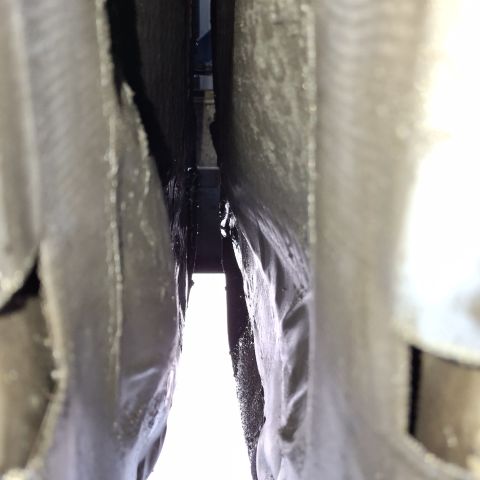
To fix the problem of filter cloth blinding, you need to check the whole filtration process. Replacing the cloth alone will not fix the problem. Making sure the slurry is always the right consistency, adjusting the pressure when feeding, improving how the cloth is cleaned, and choosing the right material and weave for the filter cloth can all make a big difference to how well the cloth works and how long it will last.
Often, the problem is not just that the filter cloth is poor, but that it does not match the equipment settings and how it is being used. To make sure your filters work well and don't cost too much to run, it's important to look at the whole system.
Our engineers can help you identify and solve filtration problems. They can also provide the right filter cloth for your specific needs.
Here are some recommended fabric constructions that have been designed to stop clogs:
Pore Structure Optimised
The weave patterns are controlled to a high level of precision. This creates uniform pore channels. These channels resist internal blockage while maintaining high flow rates.
Easy-Release Coatings
PTFE-based and special surface treatments stop particles sticking and make it easy to get rid of any residue — so there's less build-up.
Monofilament Constructions
Single-filament yarns are better than multifilament alternatives at creating smooth surfaces because they are less likely to trap particles.
Send Inquiry



X
We use cookies to offer you a better browsing experience, analyze site traffic and personalize content. By using this site, you agree to our use of cookies.
Privacy Policy