In hazardous industrial environments, a pulse valve solenoid coil is more than a simple electrical actuator. The coil must match the valve, power supply, enclosure requirements, operating temperature and hazardous-area classification. The DCF-F Explosion Proof Solenoid Coil is designed for explosion-proof pulse valve applications where combustible gas, vapor or dust may create additional electrical safety risks. Its sealed construction, IP65 protection and built-in electrical and temperature protection help support stable pulse cleaning while reducing unnecessary replacement of complete pulse valves.
This guide explains how the DCF-F coil works, what its main specifications mean, how to select the correct electrical version,
how to install it correctly, and which checks should be completed before replacing a damaged coil.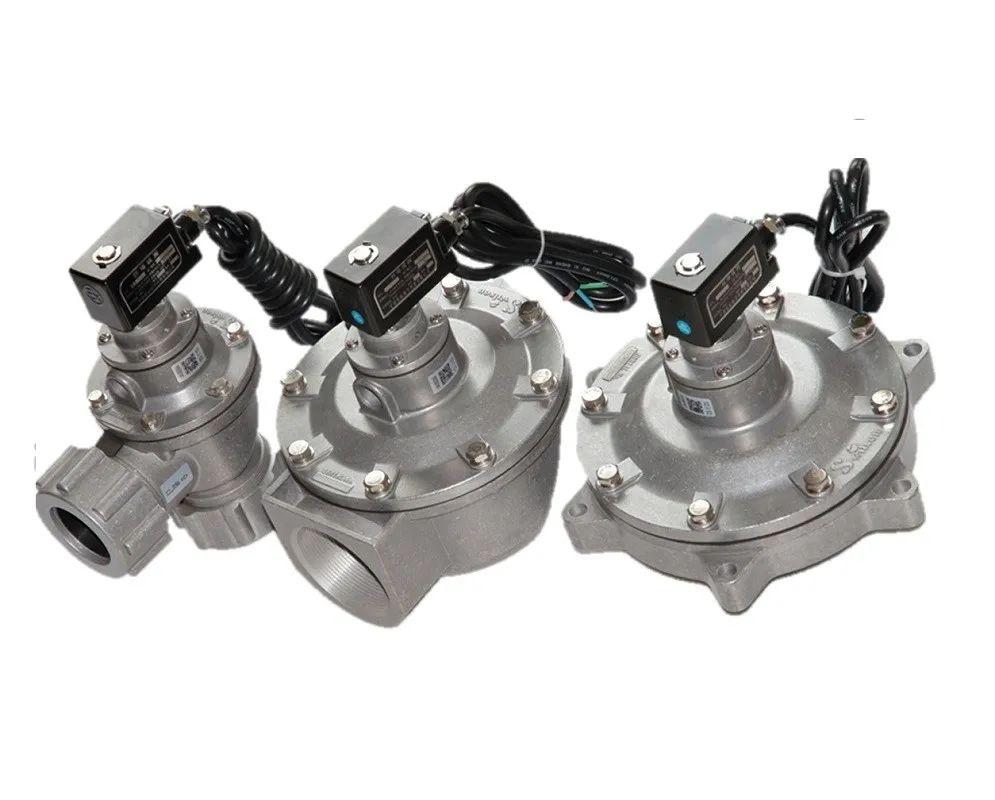
- Why Does the Solenoid Coil Matter in a Hazardous Dust Collector?
- How Does the DCF-F Explosion Proof Solenoid Coil Work?
- What Construction Features Protect the Coil?
- DCF-F Technical Specifications at a Glance
- How Should You Match the Coil to Your Pulse Valve?
- How Should the Coil Be Installed and Checked?
- How Can Operators Reduce Coil Failures?
- Common DCF-F Coil Problems and Troubleshooting
- Where Is the DCF-F Commonly Used?
- What Should Buyers Confirm Before Ordering?
- Frequently Asked Questions
- Contact Qingdao Star Machine Technology Co.,Ltd.
Why Does the Solenoid Coil Matter in a Hazardous Dust Collector?
A pulse-jet dust collector depends on rapid and repeated valve actuation to clean filter bags or cartridges. When the electrical signal reaches the solenoid coil, the electromagnetic force drives the valve mechanism and initiates the compressed-air pulse. If the coil does not receive the correct voltage, overheats, becomes contaminated, or fails to provide adequate protection, the cleaning cycle can become unreliable.
The consequences are not limited to a single failed component. Poor pulse cleaning can gradually increase differential pressure across the filter media, reduce airflow and place additional operating load on the dust collection system. In a hazardous area, electrical component selection also becomes a safety consideration.
How Does the DCF-F Explosion Proof Solenoid Coil Work?
The DCF-F Explosion Proof Solenoid Coil is designed as the electrical actuation component for compatible pulse valves. When the control system supplies the rated electrical signal, the coil generates an electromagnetic field that operates the valve's internal moving element. The valve then releases compressed air for a short cleaning pulse.
The coil uses a sealed construction intended to isolate the energized electrical components from the surrounding working environment. This is particularly important where combustible dust, flammable gas or vapor can be present.
According to the available product specifications, the DCF-F uses epoxy-resin sealing and an aluminum-alloy housing. The design also incorporates overload protection, short-circuit protection, a fuse and temperature protection components. These features are intended to control common electrical failure conditions rather than allowing an abnormal circuit condition to continue unchecked.
For operators, the practical advantage is straightforward: the coil can provide the electrical interface required for pulse cleaning while adding a layer of protection suitable for designated hazardous applications.
What Construction Features Protect the Coil?
1. Epoxy Resin Encapsulation
Complete potting helps seal the winding and electrical components against moisture and external contamination. It also supports insulation and resistance to electrical arcing within the protected construction.
2. Aluminum Alloy Housing
The aluminum-alloy housing provides mechanical protection around the coil assembly. In industrial equipment, the housing also needs to withstand routine handling during installation, inspection and maintenance.
3. IP65 Protection
The DCF-F product information specifies an IP65 protection level. This makes the coil suitable for applications where protection against dust ingress and water jets is required within the limits of the specified enclosure rating.
4. Integrated Electrical Protection
Built-in overload and short-circuit protection, together with a fuse and temperature protection, can help prevent certain electrical faults from developing into more serious component damage.
5. Temperature Control
Coil temperature is an important consideration because excessive heat can accelerate insulation deterioration and shorten component life. The DCF-F specifications indicate a maximum surface temperature of 130°C for the listed product configuration.
DCF-F Technical Specifications at a Glance
Before ordering a replacement, procurement and maintenance teams should compare the existing coil with the required electrical and environmental conditions. The following table summarizes the published DCF-F specifications.
| Parameter | DCF-F Specification | Why It Matters |
|---|---|---|
| Model | DCF-F | Confirms the basic coil series required for the application. |
| Explosion-Proof Marking | Exmb II T4 / DIP A20 TA, T4 | Must correspond to the hazardous-area requirements of the installation. |
| Protection | IP65 | Provides protection against dust ingress and water jets within the rating. |
| Housing | Aluminum alloy | Provides mechanical protection for the coil assembly. |
| Standard Wire Length | 1.5 m | Helps simplify connection in standard installations; customized length may be available. |
| AC Version | AC 220V / 24W | Suitable only when the control circuit is designed for the corresponding voltage. |
| DC Version | DC 24V / 13W | Commonly used in control systems using a 24V DC supply. |
| Ambient Temperature | -20°C to +45°C | Installation conditions should remain within the specified operating range. |
| Humidity | ≤95% at 25°C | Important for outdoor or humid industrial installations. |
How Should You Match the Coil to Your Pulse Valve?
One of the most common causes of replacement-part problems is ordering by product name alone. A reliable selection process starts with the existing valve and control system.
- Confirm the pulse valve model: Check the valve nameplate, drawings or maintenance records.
- Confirm the electrical voltage: Verify whether the control circuit supplies AC220V, DC24V or another specified voltage.
- Check the power rating: The coil's rated power should correspond to the intended electrical configuration.
- Check the hazardous-area classification: The protection marking must be appropriate for the actual installation.
- Check ambient conditions: Consider temperature, humidity, dust and vibration around the collector.
- Check cable requirements: Standard wire length is 1.5 m, while customized cable length may be requested when required by the installation.
- Confirm mechanical compatibility: The coil must physically and electrically match the valve assembly.
For large dust collection systems, it is also useful to standardize replacement parts. Keeping a documented spare-parts list with valve model, coil voltage, coil power and hazardous-area classification can prevent emergency purchases based only on visual similarity.
How Should the Coil Be Installed and Checked?
Installation should be performed by qualified personnel according to the equipment manufacturer's instructions and the applicable electrical and hazardous-area requirements. The first step is to isolate the electrical supply and compressed-air system before removing the existing component.
Installation Checklist
- Verify the replacement model and rated voltage against the equipment documentation.
- Isolate the electrical power before opening or servicing the control circuit.
- Depressurize the pulse valve system where required by the maintenance procedure.
- Inspect the valve and coil connection area for dust accumulation, moisture or mechanical damage.
- Install the coil in the correct orientation and ensure the connection is secure.
- Check grounding and electrical connections according to the approved installation method.
- Restore power and perform a controlled functional test.
- Confirm that the pulse valve opens and closes correctly without abnormal heating or electrical noise.
The coil should never be treated as an isolated electrical component when diagnosing a pulse-cleaning problem. A blocked air supply, damaged diaphragm, faulty controller or incorrect wiring can produce symptoms that appear to be a coil failure.
How Can Operators Reduce Coil Failures?
Preventive maintenance is particularly important in dust collection systems that operate continuously. A coil may remain energized or cycle thousands of times over its service period, so small electrical or environmental problems can eventually become repeated failures.
Keep the Electrical Supply Stable
Voltage outside the specified range can affect coil heating and electromagnetic performance. Periodically check the control cabinet and field wiring rather than assuming that the power supply remains correct.
Control Moisture and Contamination
Even a protected coil benefits from proper enclosure installation and cable management. Water accumulation, damaged cable insulation and excessive contamination around connection points should be addressed during routine inspections.
Monitor Pulse Cleaning Performance
If filter differential pressure begins increasing while the controller is operating normally, inspect the complete pulse-cleaning circuit. A weak or missing pulse may indicate a coil, diaphragm, compressed-air, controller or valve problem.
Keep Correct Spare Parts Available
For critical dust collection equipment, a small stock of correctly specified replacement coils can shorten maintenance downtime. Each spare should be clearly labeled with its voltage, power, model and applicable valve configuration.
Common DCF-F Coil Problems and Troubleshooting
| Observed Problem | Possible Cause | Recommended Check |
|---|---|---|
| Valve does not actuate | No electrical signal, wrong voltage, damaged coil or wiring problem | Measure the control signal and verify coil specifications. |
| Coil becomes unusually hot | Incorrect voltage, prolonged energization or electrical fault | Check rated voltage, power supply and control sequence. |
| Pulse cleaning becomes weak | Valve diaphragm, compressed air or coil problem | Inspect the complete pulse valve assembly rather than replacing the coil immediately. |
| Repeated coil failures | Electrical instability, environmental conditions or incorrect component selection | Review voltage, temperature, humidity, wiring and hazardous-area requirements. |
| Moisture or contamination around connection | Improper sealing, cable damage or installation issue | Inspect cable routing and enclosure protection. |
Where Is the DCF-F Commonly Used?
The DCF-F is intended for explosion-proof pulse valve applications and is particularly relevant to industrial dust collection equipment installed in environments where combustible dust or flammable atmospheres require additional protection.
- Cement and building-material production
- Thermal power and energy facilities
- Metallurgical and metal-processing plants
- Chemical processing facilities
- Industrial workshops with combustible dust
- Baghouse and cartridge dust collectors
- Hazardous-area pulse-jet cleaning systems
The suitability of any explosion-proof component depends on the actual hazardous-area classification and system design. Application conditions should therefore be reviewed before purchase, especially when equipment is installed in areas containing combustible dust, flammable gases or vapors.
What Should Buyers Confirm Before Ordering?
For maintenance departments, system integrators and industrial distributors, a few minutes of specification checking can prevent an incorrect replacement from reaching the production floor.
| Buyer Information | Details to Provide |
|---|---|
| Valve information | Pulse valve model, size and manufacturer where available |
| Electrical requirement | AC/DC voltage, frequency where applicable and power requirement |
| Hazardous environment | Gas or dust classification and required explosion-proof marking |
| Installation conditions | Ambient temperature, humidity and exposure to dust or water |
| Cable requirement | Standard or customized wire length |
| Quantity | Trial quantity, maintenance stock or regular production requirement |
Providing this information allows the supplier to verify compatibility before shipment and reduces the risk of receiving a coil that looks similar but does not match the actual control system.
Frequently Asked Questions
What is a DCF-F Explosion Proof Solenoid Coil used for?
It is used as the electrical actuation component for compatible explosion-proof pulse valves, particularly in industrial dust collection systems where hazardous gases, vapors or combustible dust may be present.
Is the DCF-F suitable for pulse-jet dust collectors?
Yes. The DCF-F is specifically designed for pulse valve applications and can be used as a replacement coil for compatible explosion-proof pulse-cleaning systems.
What voltage versions are available?
The published specifications include an AC 220V / 24W version and a DC 24V / 13W version. The required voltage should always be confirmed against the existing control circuit before ordering.
What is the protection rating of the DCF-F coil?
The published product specification lists IP65 protection, providing protection against dust ingress and water jets within the limits of the rating.
Can the wire length be customized?
The standard wire length is listed as 1.5 meters, and customization can be discussed when a different cable length is required for the installation.
Can I replace only the solenoid coil instead of the complete pulse valve?
When the existing valve body and related components remain serviceable and the replacement coil is fully compatible, replacing the coil can avoid unnecessary replacement of the complete valve assembly. Compatibility should be confirmed before purchase.
What should I do if the new coil becomes hot?
Check the supply voltage, wiring, energizing cycle and coil specification first. If the electrical conditions are correct, inspect the valve and control system for related faults. Do not continue operating equipment that shows abnormal electrical or thermal behavior in a hazardous area.
What information should I send when requesting a quotation?
Send the pulse valve model, required coil voltage, quantity, existing coil information, application environment and any required cable length or customized specification. A photograph of the existing nameplate can also help with identification.
Need a DCF-F Explosion Proof Solenoid Coil for Your Pulse Valve?
Selecting the correct explosion-proof coil is easier when the valve model, electrical specification and working environment are confirmed before purchase. Qingdao Star Machine Technology Co.,Ltd. supplies pulse valve components and dust collection products for industrial applications and can help you verify the required DCF-F configuration.
If you are replacing failed coils, preparing maintenance spares or sourcing components for a new dust collection project, provide your valve model, voltage, quantity and application details for a more accurate quotation and compatibility check.
Contact us for product specifications, replacement-part support and a quotation for your DCF-F Explosion Proof Solenoid Coil requirements.
Contact Us