How to Choose the Right Micron Rating for Liquid Filtration?
In liquid filtration applications, choosing the correct micron rating is one of the most important decisions that affects filtration performance, filter lifespan, and operating costs.
Many customers believe that a smaller micron rating always means better filtration. However, this is not always true. Selecting a filter bag or filter cartridge with an unnecessarily fine micron rating may cause faster clogging, higher pressure drop, and more frequent filter replacement.
The best filtration solution is not the finest filter — it is the one that matches your actual working conditions.
What Is Micron Rating in Liquid Filtration?
Micron rating refers to the size of particles that a filter can remove. A lower micron rating means the filter can capture smaller particles.
For example:
- A 100-micron filter is designed to remove larger particles and protect downstream equipment.
- A 10-micron filter can remove much finer particles for applications requiring higher filtration accuracy.
However, filtration performance depends on more than just particle size. The characteristics of the liquid, required cleanliness level, and system design all need to be considered.
5 Factors to Consider When Selecting a Filter Micron Rating
1. Particle Size
The first step is understanding what particles need to be removed.
Large particles may only require a coarse filter, while fine contaminants may require a more precise filtration level. Choosing a filter that is too fine can increase resistance and shorten service life.
2. Filtration Purpose
Different applications have different filtration goals.
Some systems focus on protecting pumps, valves, and other equipment, while others require high-purity filtration for production processes.
Before selecting a micron rating, it is important to understand whether the goal is:
- Equipment protection
- Product quality improvement
- Removal of visible particles
- Fine polishing filtration
3. Liquid Characteristics
The properties of the liquid directly influence filter performance.
Factors such as:
- Viscosity
- Temperature
- Chemical compatibility
- Solid concentration
can affect filtration efficiency and filter lifespan.
A filter material that works well for water may not be suitable for oil, chemicals, or high-viscosity liquids.
4. Flow Rate and Pressure Drop
A common mistake is selecting a filter that is too fine for the required flow rate.
A smaller pore size usually increases filtration accuracy, but it may also increase pressure drop. The right filter should maintain stable flow while achieving the required filtration level.
5. Nominal Rating vs. Absolute Rating
When comparing filter products, it is important to understand the difference between nominal and absolute micron ratings.
Nominal ratings usually indicate the approximate particle size removal capability, while absolute ratings refer to a more precise filtration standard under specific testing conditions.
Different manufacturers may use different testing methods, so products should always be compared on the same basis.
The Right Micron Rating Helps Reduce Operating Costs
A properly selected filter can provide:
- Better filtration efficiency
- Longer filter service life
- More stable system operation
- Lower maintenance frequency
- Reduced operating costs
Instead of choosing the smallest micron rating available, users should choose the most suitable filtration solution based on their actual application.
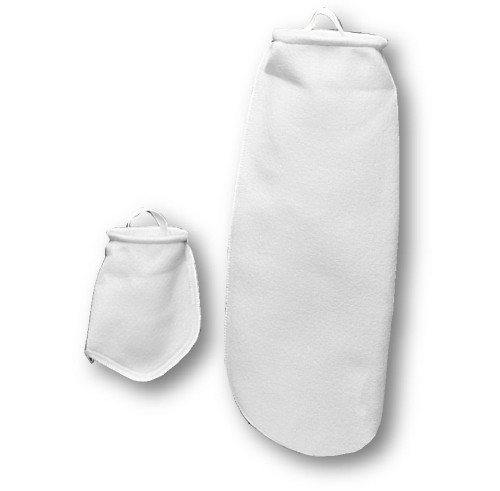
At Qingdao Star Machine, we provide customized liquid filtration solutions, including liquid filter bags, filter cartridges, and industrial filtration products. Our technical team can help customers select the right filter material and micron rating according to their working conditions.
If you are not sure which micron rating is suitable for your application, contact us for professional advice.
Send Inquiry



X
We use cookies to offer you a better browsing experience, analyze site traffic and personalize content. By using this site, you agree to our use of cookies.
Privacy Policy