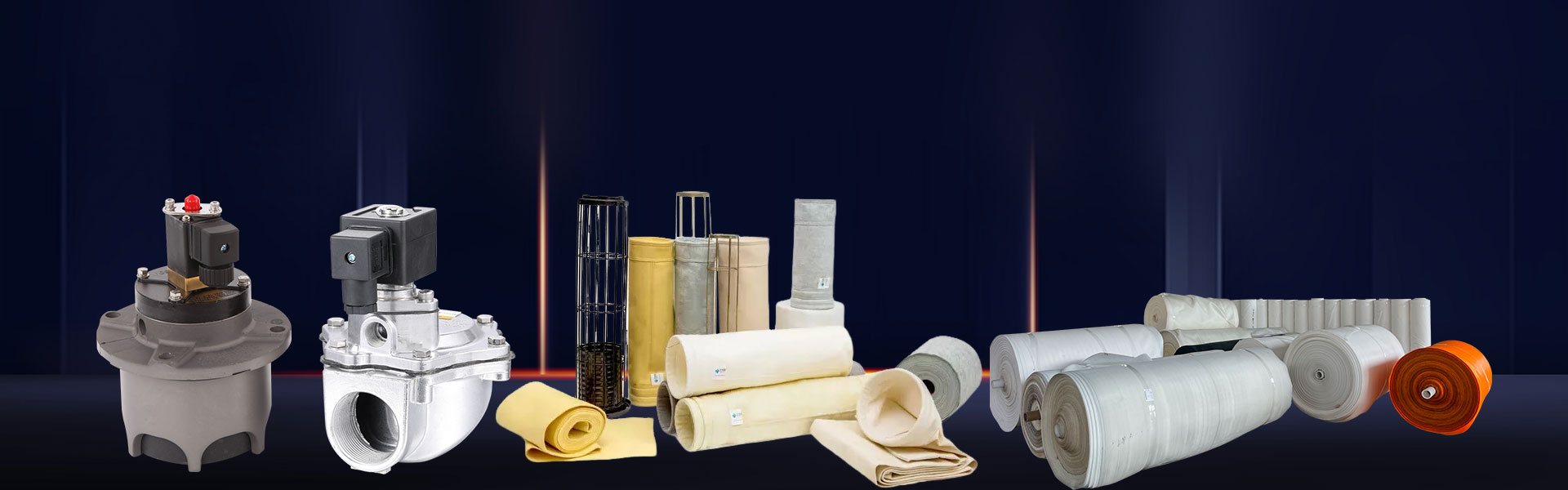
Pulse Valve Maintenance: Expert Tips to Extend Service Life & Cut Operational Downtime
In industrial dust collection and air filtration systems, pulse valves stand as indispensable core components. They govern the pulsed compressed air bursts that remove dust from filter bags and cartridges, directly determining filtration efficiency, system stability, and continuous production capacity. For factories equipped with pulse solenoid valves, pulse jet valves and pilot-operated valves, scientific and regular maintenance is not just a routine operation—it is a cost-effective strategy to prolong equipment lifespan, stabilize working performance, and reduce long-term operational expenses.
As a professional manufacturer specializing in industrial pulse valve solutions, Star Machine has accumulated rich on-site service experience in dust collection system maintenance. We have found that most premature pulse valve failures stem from neglected daily upkeep rather than product quality defects. To help plant engineers, maintenance teams and facility managers maximize the value of dust collector valves, we have sorted out a practical, field-verified maintenance guide tailored for industrial application scenarios.
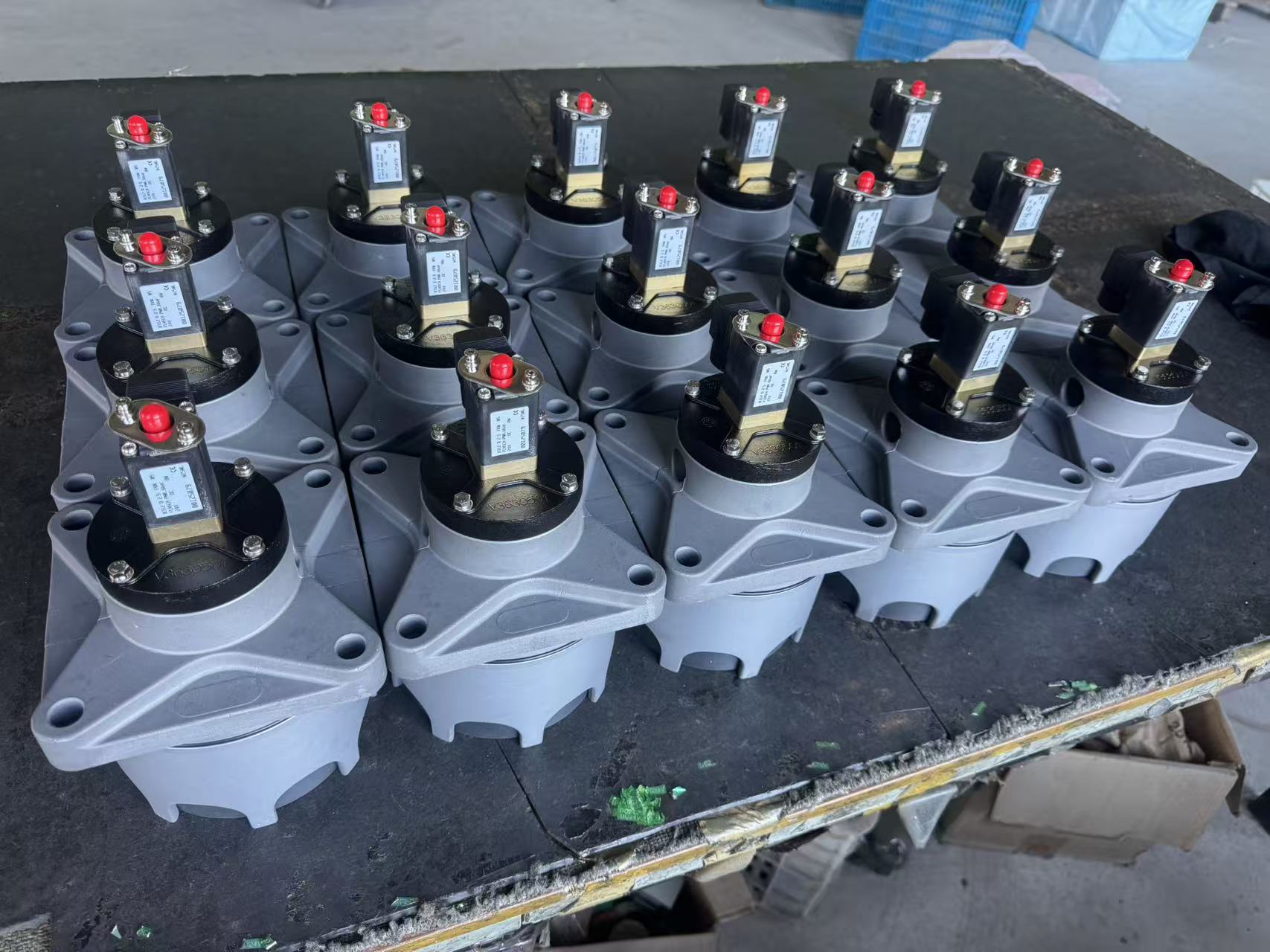
The Core Value of Pulse Valve Preventive Maintenance
Pulse valves operate in high-frequency cyclic working conditions for a long time, enduring continuous air pressure changes, dust erosion and complex industrial environmental impacts. Gradual aging of internal parts and hidden operational problems will slowly weaken valve performance. If left unaddressed, minor faults will evolve into sudden equipment shutdowns, affecting the entire dust collection system and even disrupting factory production schedules.
Standardized and proactive maintenance of pulse valve assemblies can bring multiple tangible benefits for industrial production:
· Sustain optimal air circulation and dust cleaning efficiency to avoid filter clogging
· Reduce unnecessary compressed air waste and cut energy consumption costs
· Eliminate hidden equipment faults and avoid unplanned production downtime
· Significantly extend the overall service life of dust collector pulse valves
Different from passive fault repair after equipment breakdown, regular preventive maintenance can help enterprises take the initiative in equipment management, greatly reduce maintenance costs, and ensure long-term stable operation of dust removal systems.
Practical Pulse Valve Maintenance Checklist for Industrial Sites
1. Regular Inspection and Timely Replacement of Diaphragms
The diaphragm is the core wearable part of all pulse valves, and its working state directly determines the strength and stability of the jet pulse. Long-term frequent extrusion and friction will lead to diaphragm aging, hardening, cracking or deformation, resulting in weakened dust cleaning pulse and reduced filtration effect.
In daily maintenance, staff should regularly check the diaphragm surface for cracks, warping, stiffness and other damage. It is necessary to strictly follow the product service cycle for regular replacement, and prioritize original matching spare parts compatible with pulse solenoid valves and pulse jet valves. High-quality original diaphragms can effectively avoid poor fitting problems and greatly extend the stable working cycle of pulse valves.
2. Regular Detection of Solenoid Coil Operating Status
For pulse solenoid valves, the solenoid coil is the key actuating component to control valve opening and closing. Electrical faults such as poor wiring contact and coil aging are often hidden and difficult to detect in real time, which will lead to delayed valve response or failure to actuate when serious, affecting the overall dust cleaning rhythm.
The maintenance team needs to regularly inspect the coil wiring and connection terminals to ensure firm installation and no looseness or oxidation. Regularly detect the coil resistance with professional instruments to judge the aging degree of the coil. Meanwhile, confirm that the working voltage is consistent with the system design specifications to avoid performance degradation or coil burnout caused by voltage mismatch. Good solenoid coil operation ensures accurate and reliable valve actuation in each dust cleaning cycle.
3. Strict Control of System Air Pressure and Air Quality
Stable and clean compressed air is the basic guarantee for the efficient operation of pulse valves. Excessive or unstable air pressure will impact the internal structure of the valve body, while moisture, oil stains and impurity particles in the air will cause wear and blockage of internal components of pilot-operated valves and pulse jet valves, accelerating equipment aging.
In daily management, keep the system air pressure within the factory recommended standard range to avoid overload operation. Regularly drain accumulated moisture from the air pipeline and install supporting air filtration equipment according to the actual working conditions to purify compressed air. Clean and dry air can effectively reduce internal component wear and significantly prolong the service life of dust collector valves.
4. In-depth Inspection of Pilot-Operated Valve Core Components
Pilot-operated pulse valves rely on the pilot component to control the main air flow switch, and the tiny pilot channel and pilot diaphragm are very sensitive to dust and impurities. Once the pilot port is blocked, the pilot diaphragm moves sluggishly, or the internal seal is worn, it will directly lead to slow valve response, insufficient jet volume or air leakage failure.
During maintenance, focus on cleaning dust and debris accumulated at the pilot port to ensure smooth air circulation. Check the flexibility of the pilot diaphragm movement to avoid jamming caused by dirt deposition. For worn and aging internal sealing parts, replace them immediately without delay. Well-maintained pilot-operated valves feature fast response speed and stable pulse jet energy, ensuring consistent dust cleaning effect.
5. Fastening and Calibrating Valve Installation Connections
Long-term equipment vibration and environmental temperature changes will easily lead to loosening of pulse valve mounting bolts, pipeline threads and connecting seals. Loose connections will cause compressed air leakage, reduce dust cleaning efficiency, and even trigger intermittent valve failure in severe cases.
It is essential to regularly inspect the valve fixing bolts and pipeline connection parts, tighten loose parts in time, and check the integrity of sealing gaskets and thread seals. At the same time, calibrate the installation position to ensure accurate alignment between the valve body and the blow pipe. Firm and standardized installation effectively avoids air leakage faults and supports long-term stable operation of pulse valves.
6. Formulate Scientific Preventive Replacement Plan
All industrial pulse valves have standardized service life design. Waiting for complete equipment failure before replacement will not only cause unplanned shutdown losses, but also increase the difficulty and cost of subsequent maintenance and replacement.
Enterprises should establish a complete equipment operation file, record the working hours of each pulse solenoid valve, and formulate a targeted spare parts replacement schedule according to product parameters and actual operating conditions. Stock up on core wearable spare parts in advance to realize rapid replacement and zero downtime maintenance. Scientific preventive replacement can always keep the dust collector valve in peak working condition.
High-Quality Pulse Valves Reduce Long-Term Maintenance Pressure
Standardized maintenance can maximize the service life of pulse valves, while selecting high-quality original pulse valves is the fundamental way to reduce maintenance frequency and cost. As a professional industrial pulse valve manufacturer, Star Machine focuses on optimizing product structure and material technology, and all pulse jet valves and pilot-operated valves are designed for harsh industrial working conditions.
Our self-developed and produced pulse valve products have three core advantages: stable air pressure control to minimize compressed air loss, consistent pulse jet energy to ensure uniform dust cleaning effect, and high-strength wear-resistant and corrosion-resistant materials to adapt to high-dust, high-humidity industrial environments. Superior product quality greatly reduces failure probability and daily maintenance workload, helping enterprises effectively reduce the full-cycle operation and maintenance cost of dust collection systems.
Why Partner With Star Machine for Pulse Valve Solutions?
Star Machine has long been committed to the R&D, production and customization of high-performance industrial pulse valves, providing reliable supporting products for global industrial dust collection and air filtration systems. We provide one-stop pulse valve solutions including pulse solenoid valves, pulse jet valves and pilot-operated valves, winning wide recognition from customers for stable product performance and professional service capabilities.
Choose us, and you will gain professional value beyond products:
· Industrial-grade durable design, adapting to heavy-duty and long-cycle continuous working conditions
· High-precision pulse control technology to ensure efficient and stable dust cleaning operation
· Professional full-cycle services including installation guidance, daily maintenance consultation and fault solving
· Products manufactured in strict accordance with industrial standards, with reliable quality and long service life
Final Summary
The pulse valve is a small but core component of the dust collection system, and its operating state determines the overall efficiency and stability of industrial dust removal. Adhering to standardized preventive maintenance and following professional inspection and replacement specifications can effectively extend the service life of pulse valves, avoid production downtime losses, and reduce enterprise operational costs.
Matching with high-quality pulse valve products can further optimize system operation and reduce maintenance pressure. If you are looking for high-performance pulse solenoid valves, pulse jet valves and pilot-operated valves, or need equipment upgrade and replacement services, please feel free to contact our professional technical team. We will provide customized pulse valve solutions according to your actual industrial working conditions!
Send Inquiry



X
We use cookies to offer you a better browsing experience, analyze site traffic and personalize content. By using this site, you agree to our use of cookies.
Privacy Policy