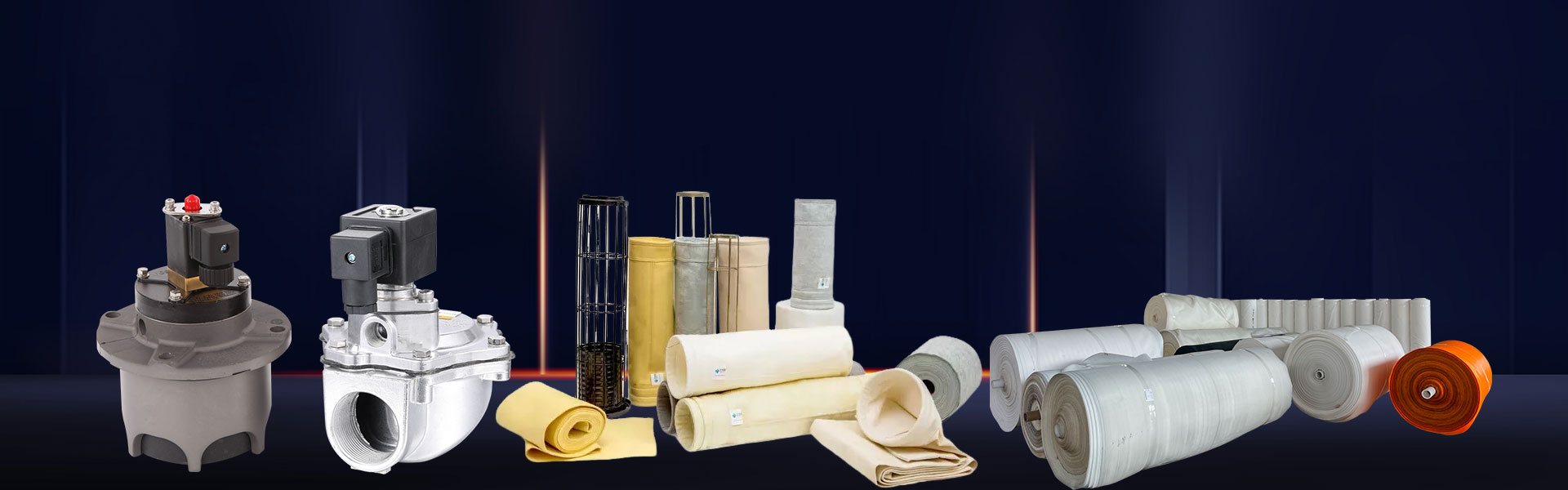
How to Extend The Service Life of Filter Cloth In Filter Press: Maintenance and Customization Selection Guide
Quote
The filter cloth not only affects the filtration effect of the filter press, but also directly affects the operating cost and production stability of the equipment. Even if a suitable filter cloth is chosen, without proper maintenance, problems such as blockage, damage, and decreased filtration efficiency may still occur, leading to frequent replacement of the filter cloth and increased downtime.
Through scientific maintenance management and reasonable customized solutions, the service life of filter cloth can be effectively extended, and the overall operating efficiency of the filtration system can be improved.
Daily maintenance suggestions
To maintain stable filtering performance, it is recommended to establish a regular maintenance system.
1. Regularly clean the filter cloth
Perform backwashing daily or use appropriate chemical cleaning methods according to the working conditions to promptly remove small particles blocked in the fibers and maintain good water permeability of the filter cloth.
2. Regularly check the condition of the filter cloth
Check the filter cloth weekly for damage, wear, thinning, or local blockage, and replace the damaged filter cloth in a timely manner to avoid affecting the filtration effect.
3. Choose appropriate cleaning agents
The chemical resistance of filter cloth varies among different materials.
For example, nylon and vinylon filter cloth should not be cleaned with strong acidic cleaning agents for a long time, and a suitable cleaning plan should be selected based on the material of the filter cloth.
4. Properly store the filter cloth
Unused filter cloth should be placed in a cool and dry environment, avoiding direct sunlight and humid conditions to reduce mold growth and fiber aging.
5. Surface treatment for special working conditions
For high oil or high viscosity sludge, surface treatment processes such as hydrophobic and oleophobic can be used to reduce pollutant adhesion, improve filter cake detachment efficiency, and reduce cleaning frequency.
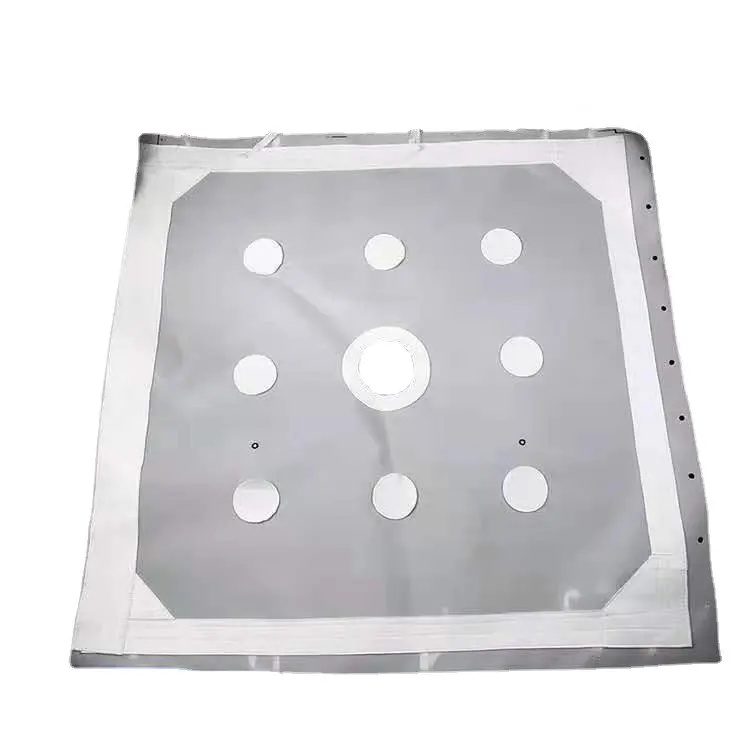
When do I need to customize filter cloth
Standard filter cloth can meet most industrial applications, but customized products are usually recommended for the following situations:
- Size of filter plate for special specifications of filter press.
- High temperature, strong corrosion or ultrafine particle filtration conditions.
- Industries with special regulatory requirements such as food and pharmaceuticals.
- A composite filtration process that requires both high filtration accuracy and high filtration efficiency.
By adjusting the filter cloth material, yarn type, fabric density, and surface treatment process, manufacturers can provide more matching product solutions based on actual filtration data.
How to reduce the long-term cost of filtration systems
When choosing filter cloth, one should not only focus on the purchase price, but also consider the following factors comprehensively:
- Service life of filter cloth;
- Cleaning and maintenance costs;
- Number of shutdowns and replacements;
- Quality of filtrate;
- Filter cake detachment efficiency;
- Overall production efficiency.
Reasonable filter cloth configuration can usually reduce overall operating costs and improve equipment utilization.
Conclusion
Filter cloth is a long-term investment, not a one-time purchase product. By establishing a standardized maintenance system, regularly checking the operating status, and selecting standard or customized filter cloth according to process requirements, the service life of the filter cloth can be effectively extended and the stable operation of the filter press can be maintained.
If there are changes in the production process, it is recommended to conduct filtration testing again and adjust the filter cloth configuration based on the test results to achieve more stable filtration performance and lower overall operating costs.
Send Inquiry



X
We use cookies to offer you a better browsing experience, analyze site traffic and personalize content. By using this site, you agree to our use of cookies.
Privacy Policy