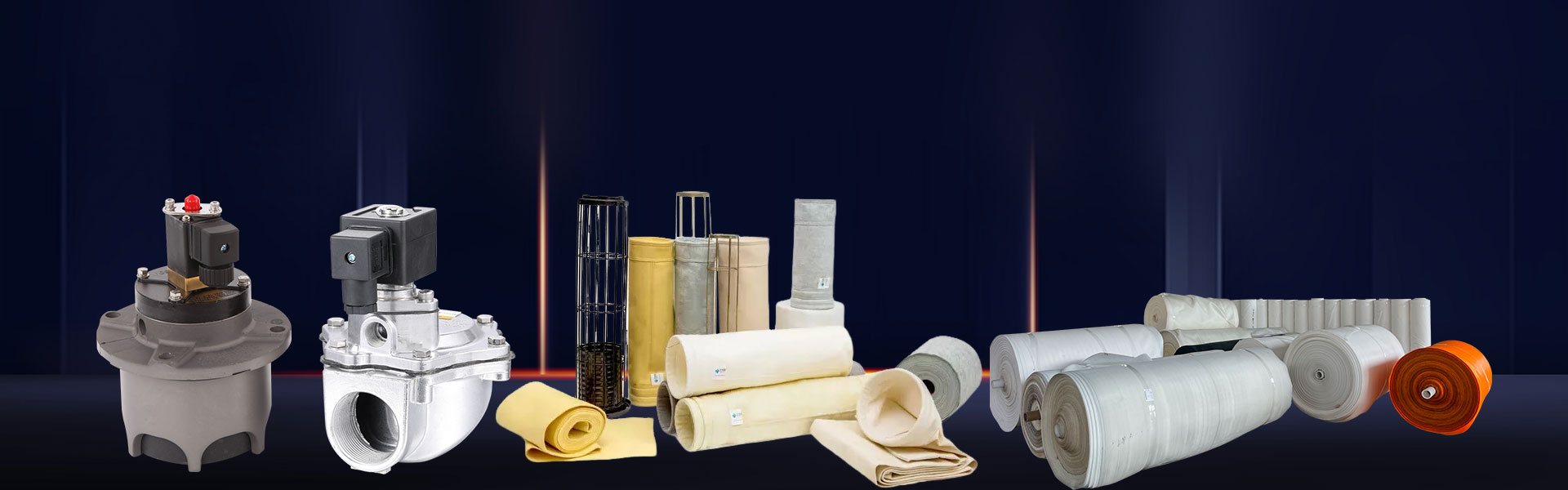
When to Replace Alstom Optipow 135 Pulse Valve & Step-by-Step Replacement Guide
The Alstom Optipow 135 pulse valve is a high-performance cleaning valve widely deployed in industrial dust collection systems. It serves heavy industries including power plants, cement works, steel mills and mining operations. By delivering powerful compressed air pulses, the valve removes dust cake from filter bags and maintains stable efficiency for baghouse dust collectors.
After long-term continuous operation, harsh working environments and poor compressed air quality will gradually wear out pulse valves and trigger breakdowns. Timely replacement of the Optipow 135 pulse valve restores cleaning performance and guarantees reliable dust collector operation. This article covers core knowledge: working principle of Optipow 135, common causes for replacement, typical failure warnings and standard replacement procedures.
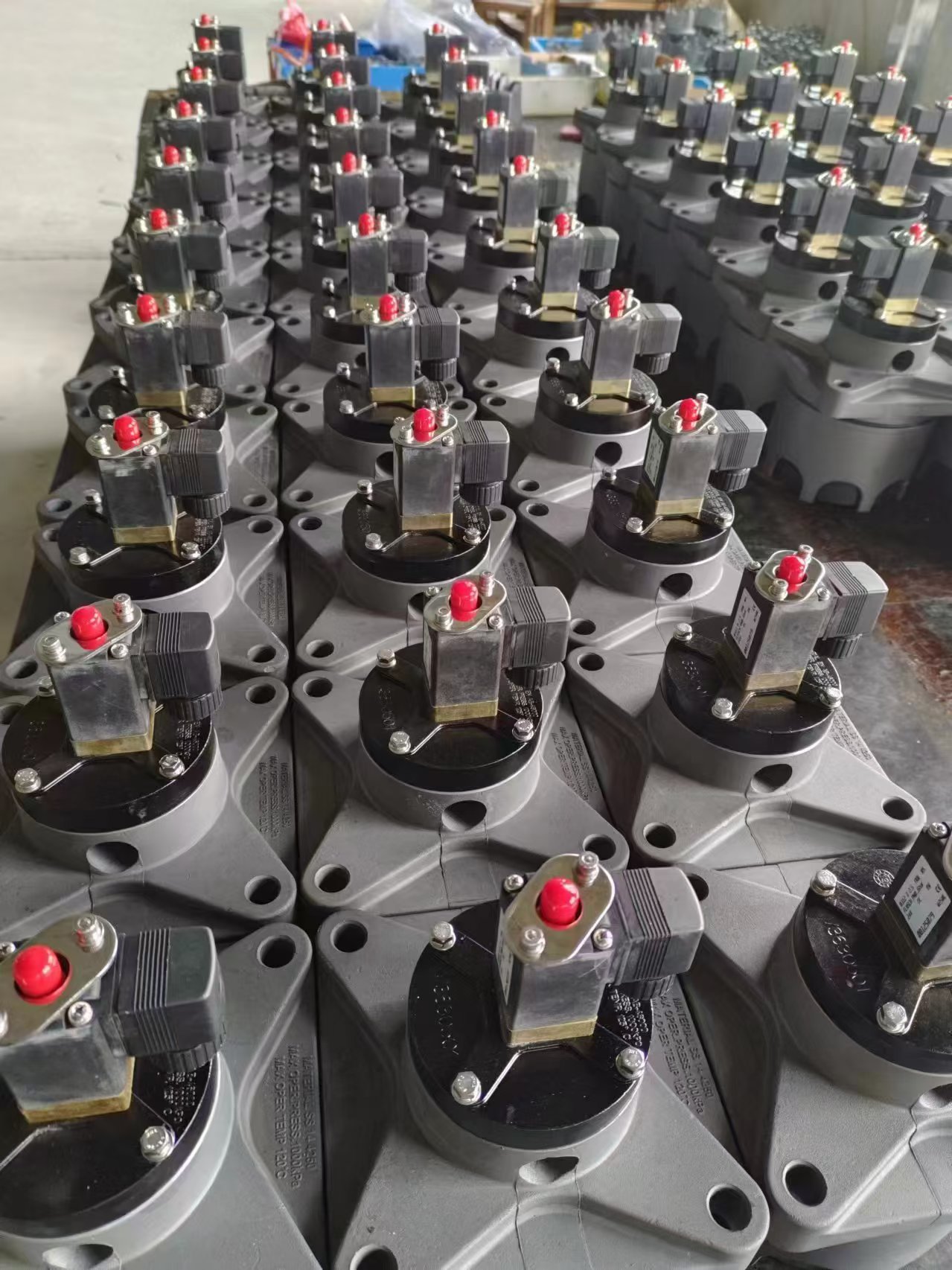
1. What Is Alstom Optipow 135 Pulse Valve?
Optipow 135 is a diaphragm pulse jet valve specially engineered for industrial dust removal equipment. It generates high-speed air pulses to clean filter bags and filter cartridges inside dust collectors.
Cleaning working cycle:
1. The solenoid pilot valve receives electrical signals from the dust collector controller
2. The pilot valve opens and releases pressure on the upper side of the diaphragm
3. Pressure difference pushes the diaphragm to open rapidly
4. Powerful compressed air pulse discharges from the valve outlet
5. The blast pulse blows accumulated dust off filter bags
Featuring fast response and large airflow capacity, Optipow 135 fits demanding dust filtration applications.
2. Main Reasons to Replace Optipow 135 Pulse Valve
A pulse valve actuates millions of times throughout its service life. Internal components age over time and weaken cleaning efficiency. Below are the most frequent causes for replacement:
2.1 Worn or damaged diaphragm
The diaphragm is the core moving component inside the valve. Repeated pressure fluctuations easily lead to cracks, deformation, loss of elasticity and air leakage. A faulty diaphragm cannot produce effective cleaning pulses.
2.2 Continuous air leakage
A degraded pulse valve causes constant compressed air loss. Consequences include higher air consumption, increased operational costs, weakened cleaning effect and pressure drop inside the air manifold. Replacing the valve greatly cuts wasted compressed air.
2.3 Poor dust cleaning performance
If the pulse valve fails to fully open, the cleaning pulse will become weak. It results in rising pressure difference across filters, reduced airflow, higher fan power consumption and shortened service life of filter bags. A new replacement Optipow 135 valve recovers standard pulse strength.
2.4 Malfunction of solenoid coil or pilot assembly
Electrical components may fail due to burnt coils, moisture damage, circuit faults and ageing parts. In many scenarios, replacing the whole pulse valve assembly is more efficient than repairing individual spare parts.
3. Warning Signs That Your Optipow 135 Needs Replacement
Maintenance teams should arrange replacement once noticing the following conditions:
· Persistent air leakage from the valve
· Abnormally high compressed air consumption
· Weak or missing cleaning pulses
· Growing pressure difference of the dust collector
· Excessive dust emission
· Frequent filter bag blockage
· Abnormal noise during valve operation
Routine inspections help detect faults early before they disrupt the whole dust collection system.
4. Step-by-Step Procedure to Replace Optipow 135 Pulse Valve
Step 1: System Shutdown & Safety Preparation
Before any disassembly:
· Stop the pulse cleaning control system
· Isolate the compressed air supply
· Fully release residual pressure inside the air manifold
· Cut off power supply to solenoid valves Always follow safety protocols when handling pressurized pneumatic equipment.
Step 2: Remove the old pulse valve
1. Disconnect electrical wiring of the solenoid coil
2. Dismount fixing fasteners of the valve
3. Detach the pulse valve from the compressed air header
4. Take out the old valve carefully
5. Inspect the installation surface for corrosion, dirt or damaged fittings
Step 3: Install new Optipow 135 replacement valve
1. Confirm correct valve model, size and connection standard
2. Verify the correct airflow direction
3. Apply proper sealing material on threaded joints
4. Tighten fittings following recommended torque values
5. Complete correct wiring for the solenoid Improper installation will cause leakage and insufficient cleaning power.
Step 4: Commission and test the new valve after installation
1. Restore compressed air supply
2. Check all connection points for air leaks
3. Run manual pulse test cycles
4. Confirm stable and strong jet pulses
5. Monitor pressure difference data of the dust collector
Properly installed replacement valves will deliver consistent and reliable bag cleaning performance.
Closing
Optipow 135 pulse valves are the heart of heavy-duty baghouses. Recognising failure signals and carrying out standardised replacement can avoid unplanned downtime, lower energy expenditure and extend filter bag lifespan. We supply fully interchangeable replacement Optipow 135 pulse valves and related spare parts such as diaphragms, pilot assemblies and coils for global customers in dust removal industries.
Send Inquiry



X
We use cookies to offer you a better browsing experience, analyze site traffic and personalize content. By using this site, you agree to our use of cookies.
Privacy Policy