When to Replace Dust Collector Filter Bags
A practical guide to cleanability degradation and filter bag selection
A dust collector filter bag can look intact and still become expensive to operate. As dust works deeper into the filter media, pulse-jet cleaning may remove less of the retained layer. Pressure drop then stays higher after each cleaning cycle, while airflow becomes harder to maintain. This gradual loss of regeneration ability is often described as cleanability degradation. It may begin before holes, tears or obvious emission problems develop.
What Cleanability Degradation Means
Filter bag cleanability describes how well accumulated dust releases from the media during pulse cleaning. When filter bags are relatively new, a cleaning pulse normally removes much of the surface dust and helps pressure drop return toward its normal operating range. As the bags age, fine particles may become embedded in the media, pores may become obstructed, or sticky dust may form a persistent layer.
The filter bags may still capture dust, but the dust collector has to work harder to move the same amount of air. Operators may also increase pulse frequency, using more compressed air without fully solving the problem. Cleanability degradation is therefore a useful trend to monitor alongside physical damage, emissions and service time.
Warning Signs Operators Should Watch
Cleanability problems usually appear as operating trends rather than one sudden failure. Common warning signs include:
- Pressure drop remains high after pulse cleaning.
- Cleaning cycles become more frequent.
- Airflow or dust capture at the hood becomes weaker.
- Compressed-air consumption increases.
- Filter bags require manual cleaning more often.
- Collector performance declines even though production conditions have not changed.
Check the Cleaning System Before Replacing the Bags
High pressure drop does not always mean the filter bags are worn out. Before ordering replacements, check the compressed-air supply, diaphragm valves, solenoid valves, controller settings, blow pipes and hopper discharge. A weak or uneven pulse can leave dust on otherwise serviceable bags.
Moisture is another common concern. Condensation or wet dust can cause caking and block the media surface. Temperature, corrosive components and dust characteristics also influence fabric-filter operation. There is no universal pressure-drop value that tells every plant when to replace its bags. The useful question is whether cleaning recovery is becoming steadily worse under comparable operating conditions.
How the Right Filter Bag Supports Better Cleaning
Good cleanability starts with correct filter bag selection. The media must suit the operating temperature, dust characteristics, chemical environment and moisture level. Surface treatment, membrane choice, fabric weight and air permeability can also affect how easily dust releases. Fit is equally important. Bag length, diameter, snap-band construction, cage condition and seam quality should match the dust collector.
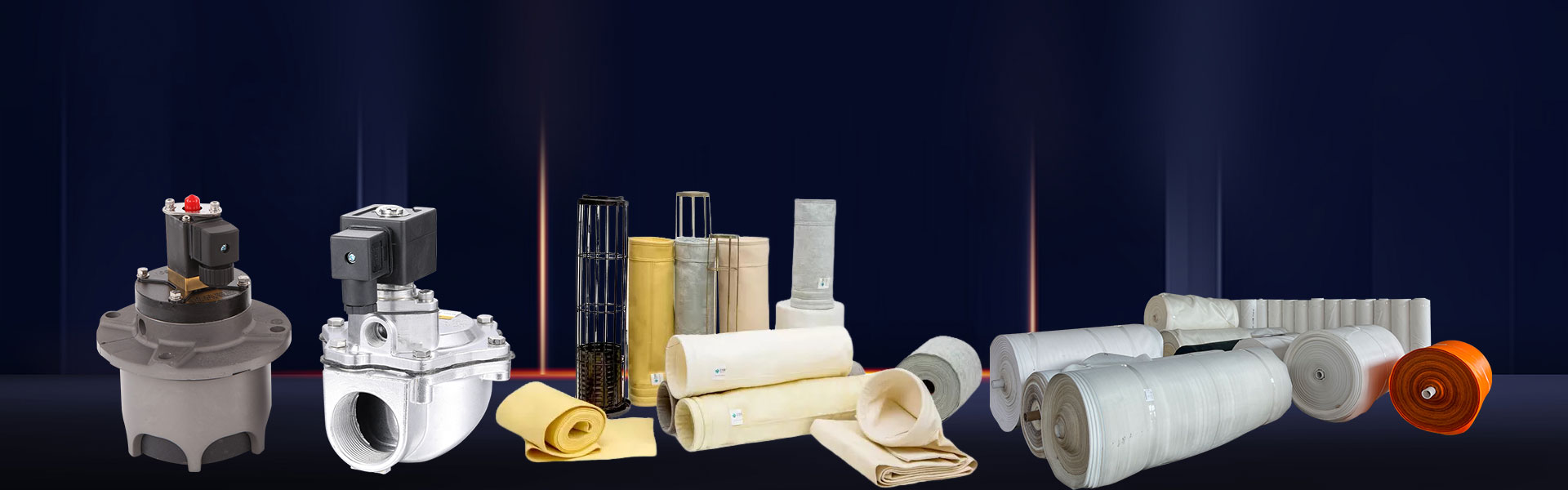
Qingdao Star Machine Technology Co., Ltd. can manufacture custom dust collector filter bags in different materials, sizes and connection styles. Customers may provide drawings, operating information or an existing bag sample. We review these details before production so the replacement bag matches both the collector and the actual working conditions.
Choosing a filter bag should involve more than comparing purchase prices. A bag that releases dust effectively can help maintain stable airflow, reduce unnecessary cleaning and make maintenance planning more predictable.
Send Inquiry



X
We use cookies to offer you a better browsing experience, analyze site traffic and personalize content. By using this site, you agree to our use of cookies.
Privacy Policy