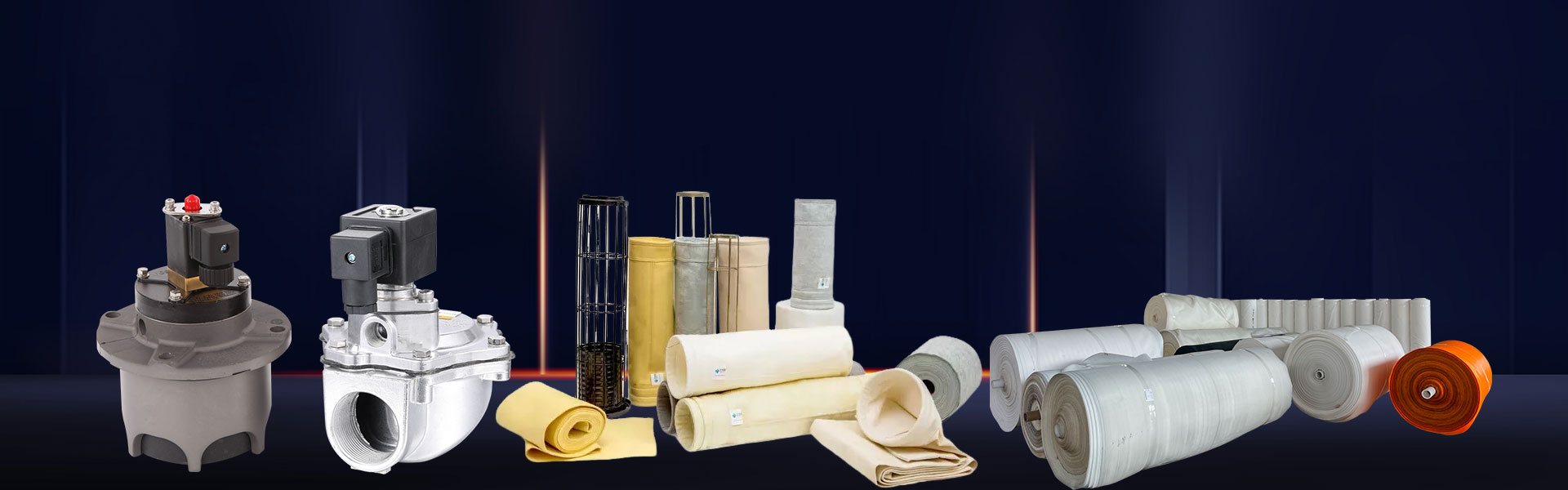
What preparations are required before installing a pulse valve?
To enhance the reliability of pulse valves in industrial dust collection and pneumatic conveying systems, a comprehensive installation technical guide has recently been released. This guide aims to provide industry users with professional technical references covering the entire process from pre-installation preparation to commissioning. By standardizing installation procedures, it reduces equipment failure rates and effectively extends the service life of core components.
I. Core Preparations Before Installation
Pre-installation preparation for electromagnetic pulse valves is fundamental to ensuring installation quality and subsequent stable operation. It must be comprehensively implemented across four key areas: product verification, pipeline cleaning, air supply and electrical inspections, and accessory preparation.
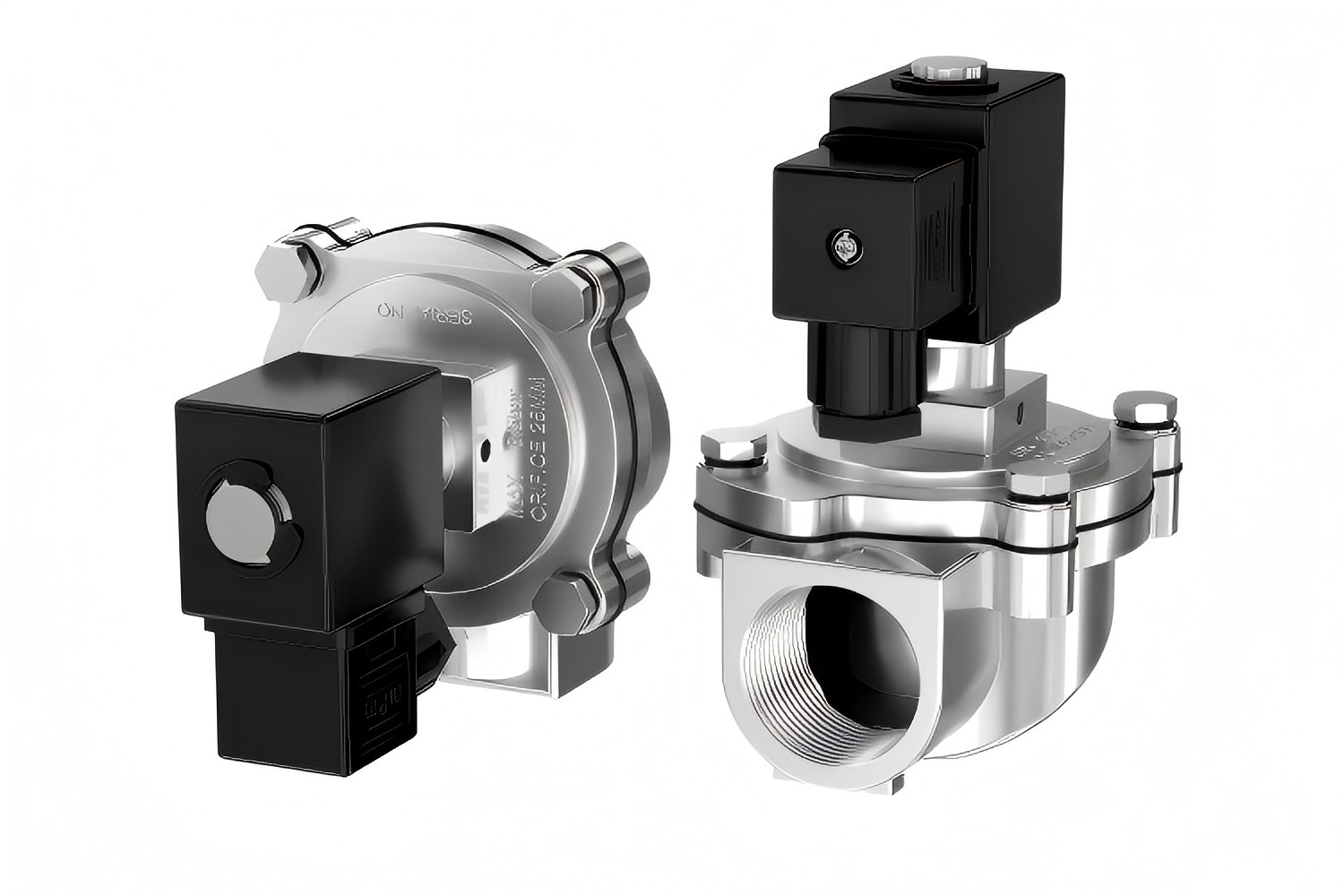
Product verification is the primary step.
Before installation, verify that the pulse valve model and specifications meet design requirements. Carefully inspect the valve body, diaphragm, seals, and other components for integrity. Confirm that the product certificate and factory test reports are complete.
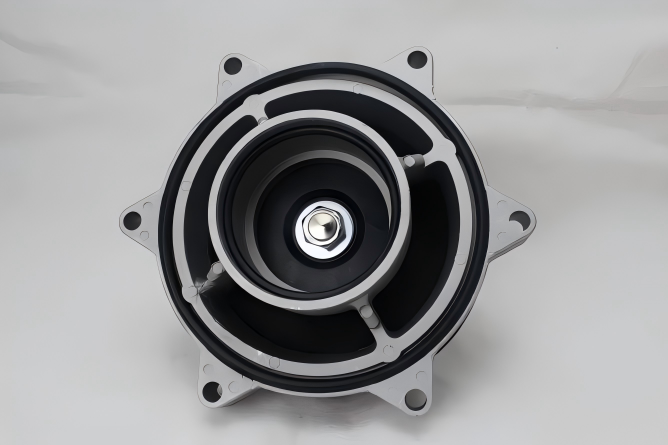
Cleaning is critical.
Thoroughly purge compressed air lines and connections to remove welding slag, dust, and other contaminants. This prevents foreign objects from blocking diaphragms or pilot orifices, which could impair normal valve operation.
Verify air source quality and supply capacity.
The system air supply must remain dry, oil-free, and water-free. Installing filters and oil-water separators is recommended. Additionally, verify that the air tank capacity can meet the instantaneous air consumption demands of the blowout to prevent insufficient supply.
Ensure correct electrical connections.
Before installation, use a multimeter to test the control circuit and confirm that the control signal type and voltage value fully match the requirements of the pulse valve solenoid head to prevent malfunctions or coil burnout.
II. Key Technical Considerations During Installation
Electromagnetic pulse valve installation must strictly adhere to technical specifications, focusing on critical aspects such as connection sealing, mounting orientation, safety precautions, and parameter compatibility to ensure installation quality meets standards.
Ensure connection sealing integrity.
During installation, all connection interfaces must be clean and flush. Use specified sealing materials and tighten bolts securely. Conduct airtightness testing post-installation to eliminate compressed air leakage.
Ensure proper electrical connections and circuit protection.
Electromagnetic coil plugs must be fully inserted and locked in place, with terminals securely crimped. Control wires should be connected to corresponding terminals on the control unit, and entry points must not face upward to prevent rainwater ingress causing short circuits. Never mistakenly connect offline cylinder control signals to solenoid valve inputs, as this may cause coil burnout from prolonged energization.
Ensure correct installation orientation.
Pulse valves must be installed vertically or at the specified angle per product instructions, with inlet/outlet directions aligned with the medium flow. Reverse installation is strictly prohibited.
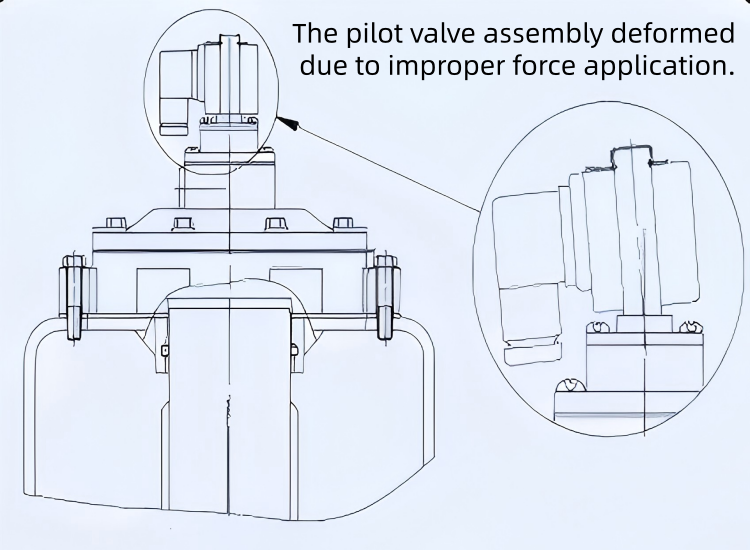
Avoid high temperatures and mechanical damage to protect critical components.
After installation, welding operations on air tanks, connected flanges, or blow pipes are prohibited to prevent weld spatter or high-temperature damage to diaphragms. Handle with care during transportation or installation to prevent impact damage to the solenoid valve pilot assembly, which could deform the spool sleeve, causing the moving stem to jam and preventing valve operation.
Verify pressure and voltage parameters.
Ensure the system operating pressure and medium temperature remain within the pulse valve's rated range. Confirm the supply voltage is accurate, wiring is secure, and insulation is intact.
III. Post-Installation Commissioning and Safety Warnings
System commissioning and safety inspections after installation are the final steps to ensure reliable equipment operation. Key considerations for this procedure are as follows:
Post-installation commissioning must be conducted under no-load conditions.
Test whether the pulse valve operates smoothly and responds promptly. Observe for any abnormal noise or vibration during operation and record relevant parameters.
Strictly adhere to safety warnings.
Never introduce compressed air before all valves are securely installed on the air tank. No welding operations are permitted after installation to prevent valve body damage. Implement insulation measures for valves in cold regions.
Avoid common installation pitfalls.
For instance, undersized air inlet pipes to the air tank may cause insufficient air supply; incorrect wiring could lead to coil burnout from prolonged energization; improper pulse signal width settings may disrupt normal blowing cycles and waste air resources. During commissioning, conduct thorough troubleshooting step by step.
IV. Application Context and Industry Significance
As a critical control component in automated systems such as industrial dust collection and pneumatic conveying, the operational stability of pulse valves directly impacts environmental compliance and production continuity. As industrial environmental standards tighten and automation levels rise, professional expertise in installing and maintaining critical components like pulse valves becomes increasingly vital. This technical guide aims to establish standardized operational procedures, helping enterprises reduce on-site failures and lower operational costs, thereby ensuring efficient and stable operation of entire industrial systems.
Send Inquiry



X
We use cookies to offer you a better browsing experience, analyze site traffic and personalize content. By using this site, you agree to our use of cookies.
Privacy Policy