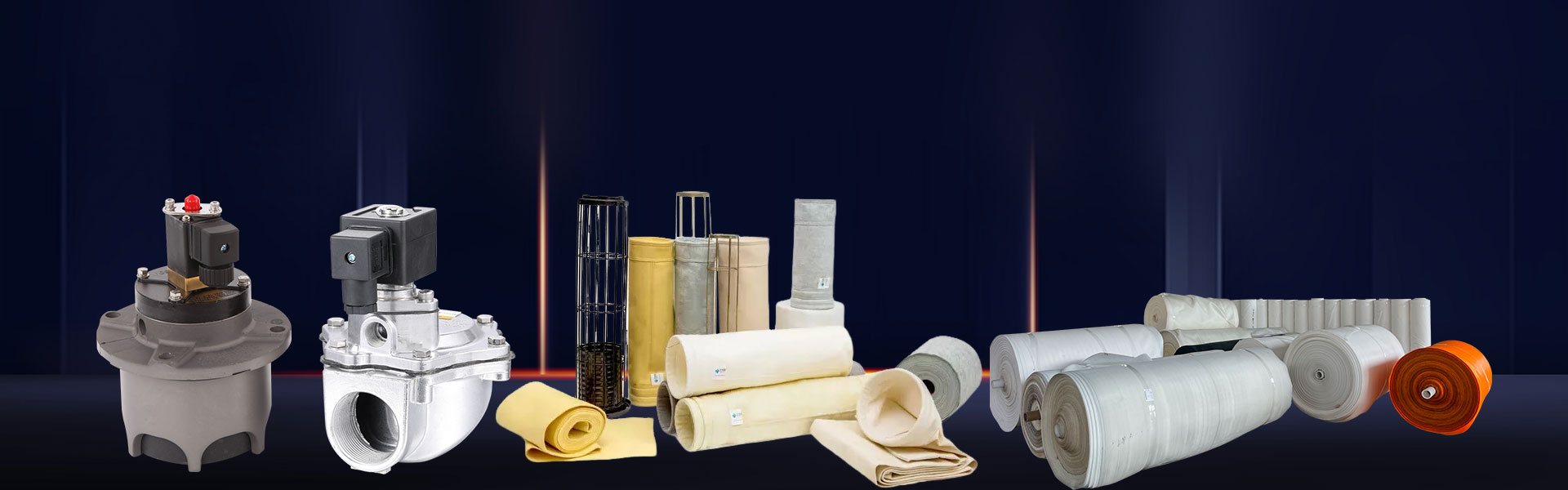
What are the common faults of pulse valves? How can they be quickly diagnosed and resolved?
As a core component of bag filter, the stable operation of pulse valves directly impacts the cleaning efficiency and long-term performance of the equipment. A single valve can achieve a blowback lifespan exceeding one million cycles. To empower enterprise maintenance teams in enhancing equipment fault resolution efficiency and ensuring production continuity, this document compiles common failure types, repair solutions, and temporary emergency techniques for pulse solenoid valves into a systematic technical guide, providing professional reference for industry equipment management.
I. Primary Functions and Failure Effects of Pulse Valves
The pulse valve is a diaphragm valve controlled by electromagnetic or pneumatic pilot valves, capable of instantaneously opening and closing high-pressure air sources to generate pulses. It serves as a critical actuating component for achieving pulse-jet cleaning in bag dust collectors. Malfunction of this valve directly results in insufficient blast pressure and reduced cleaning efficiency, potentially leading to equipment shutdowns in severe cases, thereby affecting production process stability and compliance with environmental emission standards.

II. Common fault causes and repair solutions
1. Spring Damage: The pulse valve spool spring is prone to damage due to prolonged high-frequency operation, primarily manifested as continuous air leakage from the pulse valve to the blowout port. The recommended solution is to replace the spring.
2. Damaged rubber gasket: The rubber gasket for the valve core is prone to aging and damage after long-term use, and the main manifestation is the pulse valve releasing air to the spray port for a long time, and the rubber gasket needs to be replaced.
3. Accumulation of dirt on the valve core: Due to insufficient cleanliness of the intake system, dirt deposits are easily formed at the valve core, mainly characterized by continuous air intake from the nozzle or valve failure after power on. The valve core should be cleaned.
4. Diaphragm damage: Diaphragm is prone to fatigue and oxidation damage due to long-term exposure to high-pressure airflow, mainly shown as continuous venting of the pressure relief port and malfunction of the pulse valve, requiring replacement of the diaphragm.
5. Throttle hole malfunction: divided into two situations: blockage and damage.
① Impurities in the intake cause blockage of the throttle hole, manifested as the pulse valve releasing air to the nozzle for a long time, which should be cleaned;
②Damaged or missing throttle holes can cause abnormal pressure relief, manifested as the valve moving but not blowing after power on, and the pressure relief port continuously releasing air, requiring replacement of the throttle hole.
III.Operation, maintenance, and on-site emergency response skills
When the pulse valve body or electromagnetic coil fails, the valve cannot be closed normally, which will cause leakage and continuous blowing of the gas bypass of the blowing instrument, resulting in insufficient blowing pressure and flow of other electromagnetic valves, and a significant decline in the cleaning effect. In the inspection scenario without maintenance tools, the emergency response measures are as follows:
When the solenoid valve body or coil fails and the valve cannot be closed normally, temporary forced closing measures can be taken: the operator can use their thumb and index finger to hold down the outlet of the faulty solenoid valve, block the airflow, and remove the coil of the valve to prevent it from interfering with the normal spraying of other valves according to the program. The final repair still requires professional maintenance personnel to replace the valve body.
IV. Key Points for Daily and Periodic Maintenance
Air Source Management:Inspect oil-water separators daily and drain condensate promptly;Regularly check oil mist lubricator levels and replenish with dedicated lubricating oil. Ensure compressed air pressure remains stable between 0.4-0.6 MPa.
Mechanical Component Maintenance: Regularly lubricate moving parts such as reducers and ash conveying devices; promptly investigate any abnormalities.
System Start-up/Shutdown Protocol: When starting up, connect compressed air and control power first, then activate the ash discharge device. When shutting down, continue operating the dust collector and fan for a period after process system completion to remove internal moisture and residual dust.
Conclusion
The stable operation of the pulse valve in bag filter is an important guarantee for industrial production to meet environmental standards and improve efficiency. The troubleshooting and repair plan summarized in this article is based on the actual operating scenarios of the equipment and can provide practical reference for enterprise operation and maintenance teams. In the future, it is recommended that enterprises strengthen equipment lifecycle management, regularly conduct operation and maintenance skills training, minimize failure rates through standardized operations and preventive maintenance, and ensure the continuous and stable operation of production systems.
Send Inquiry



X
We use cookies to offer you a better browsing experience, analyze site traffic and personalize content. By using this site, you agree to our use of cookies.
Privacy Policy