
Products
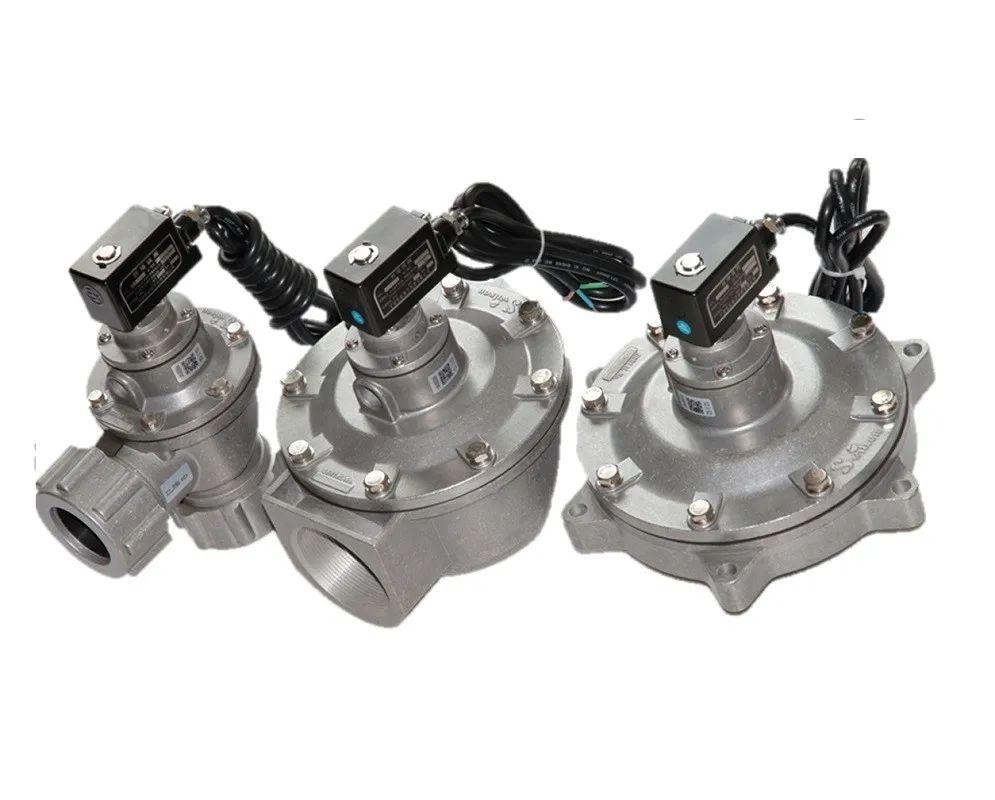
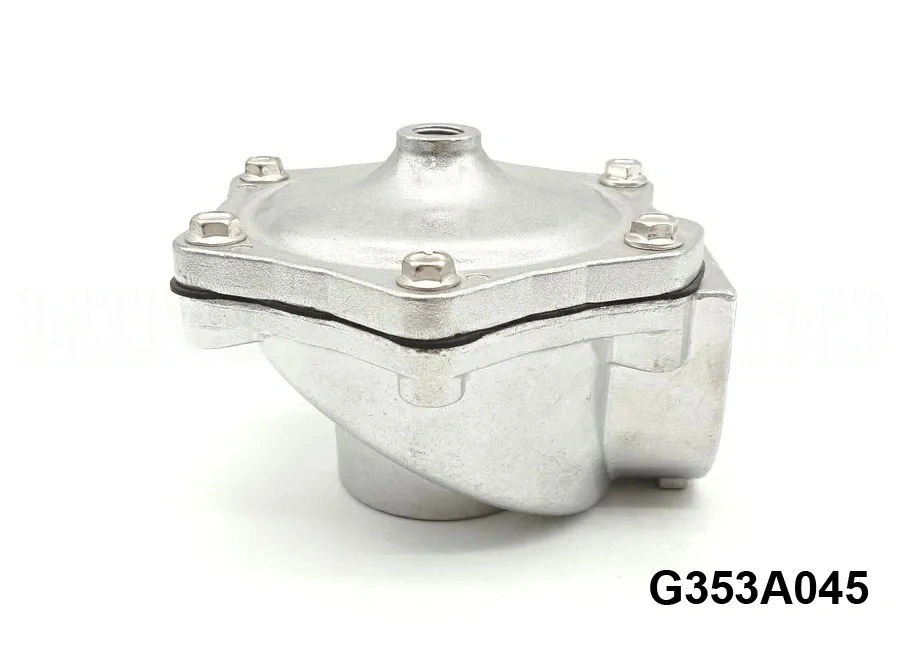
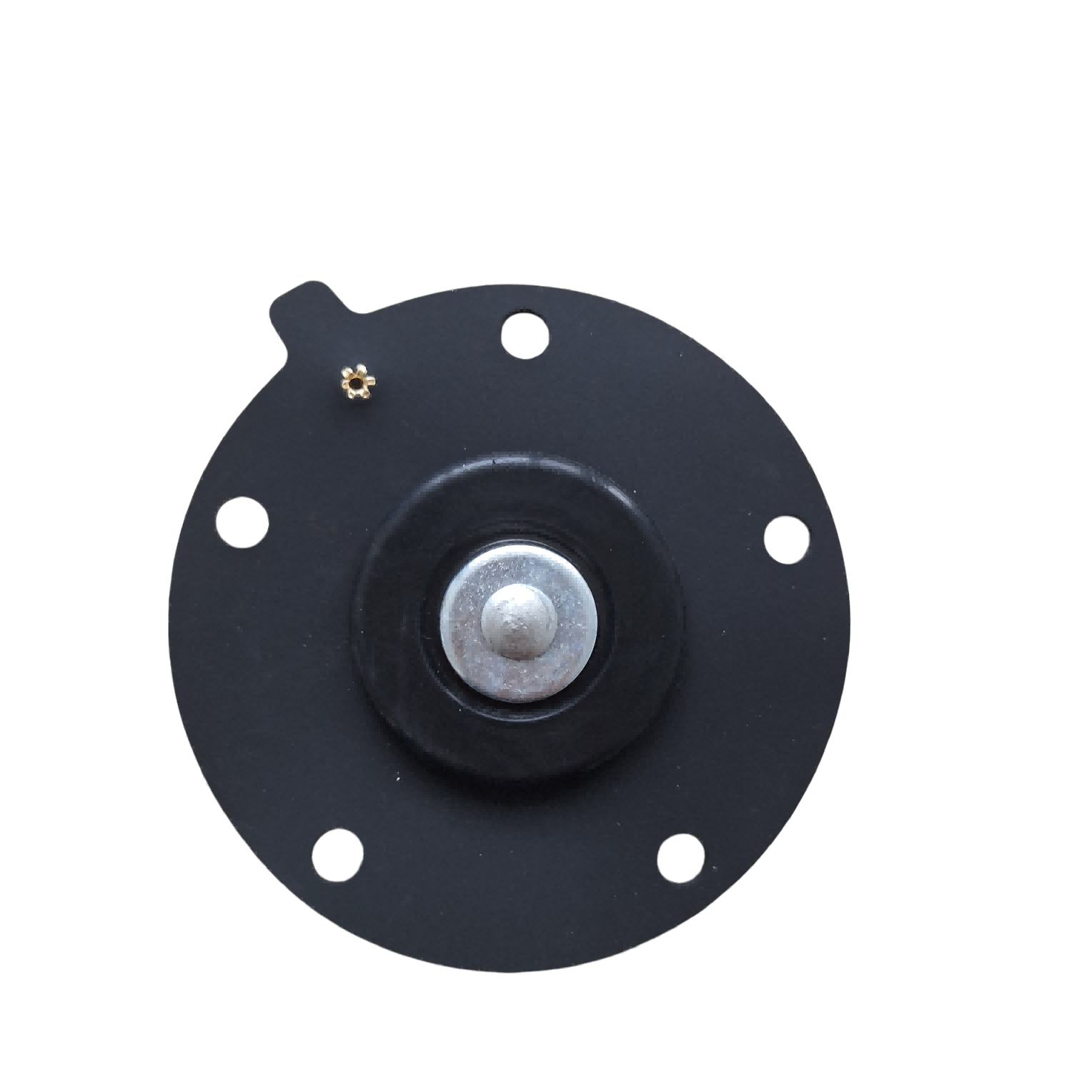
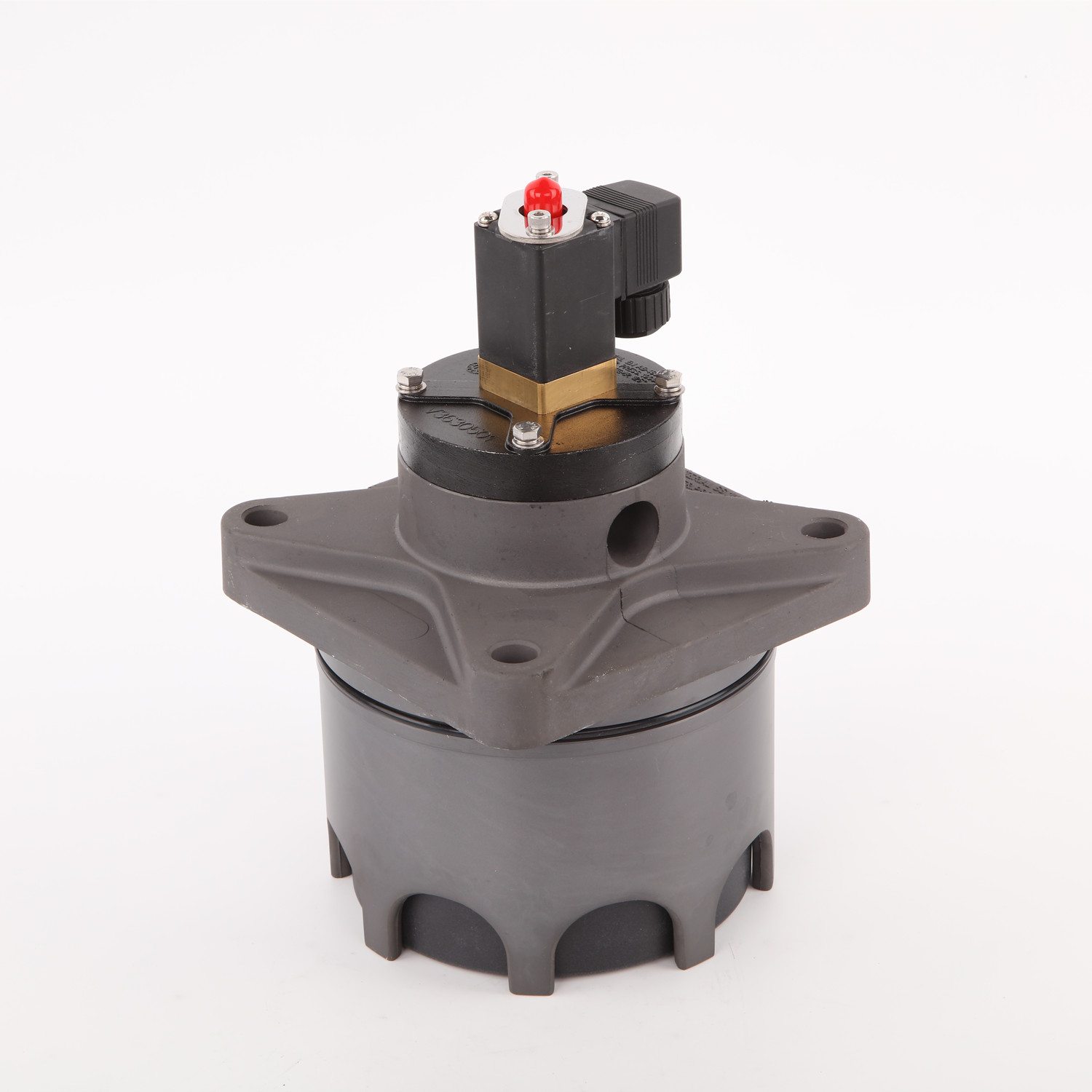
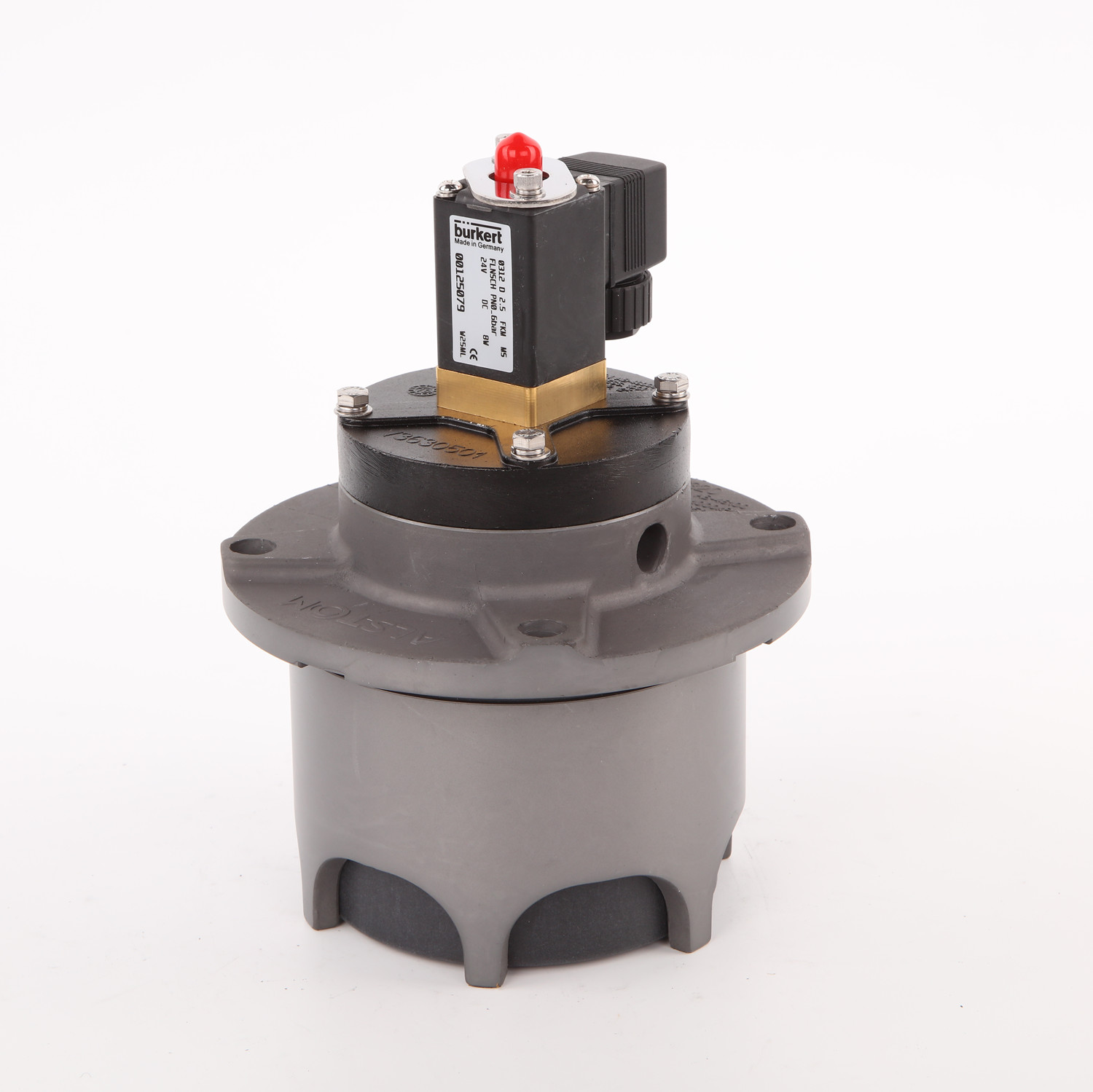
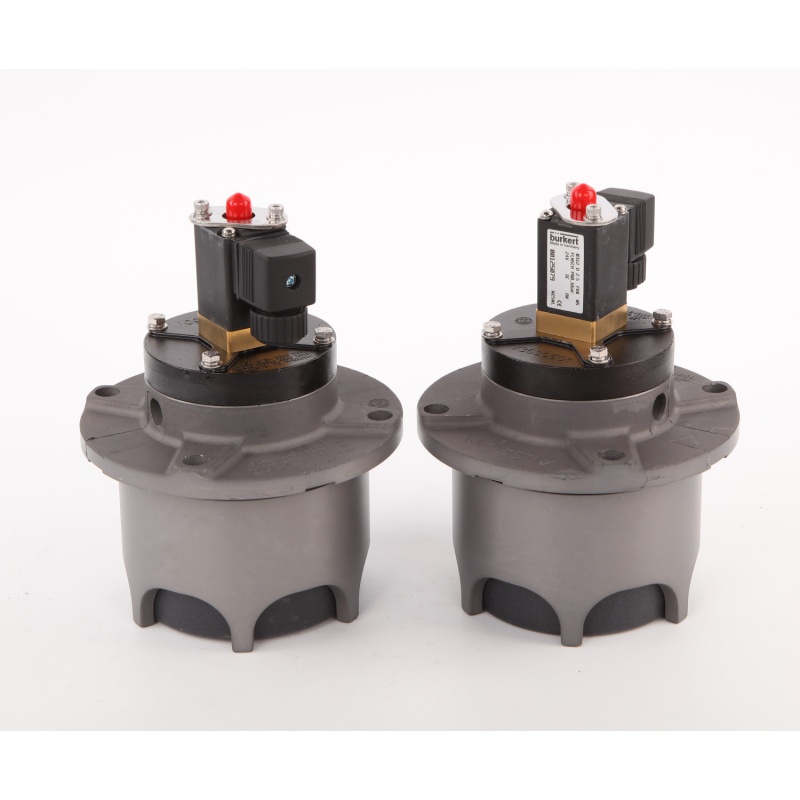
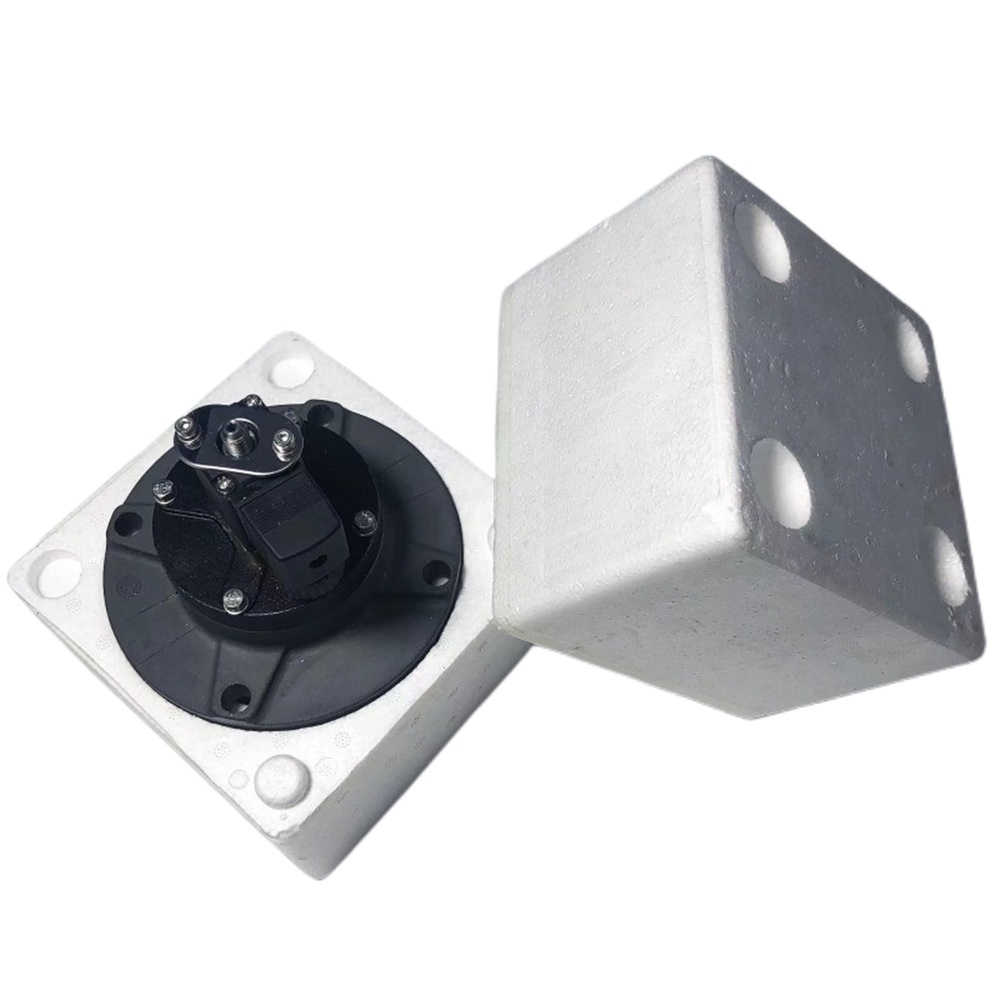
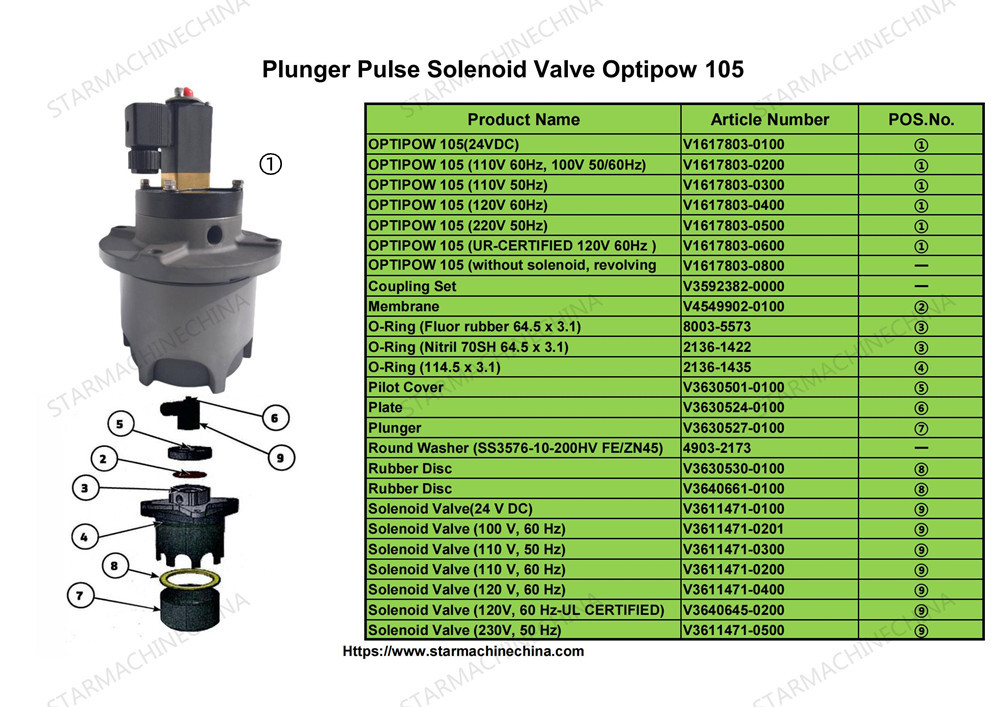
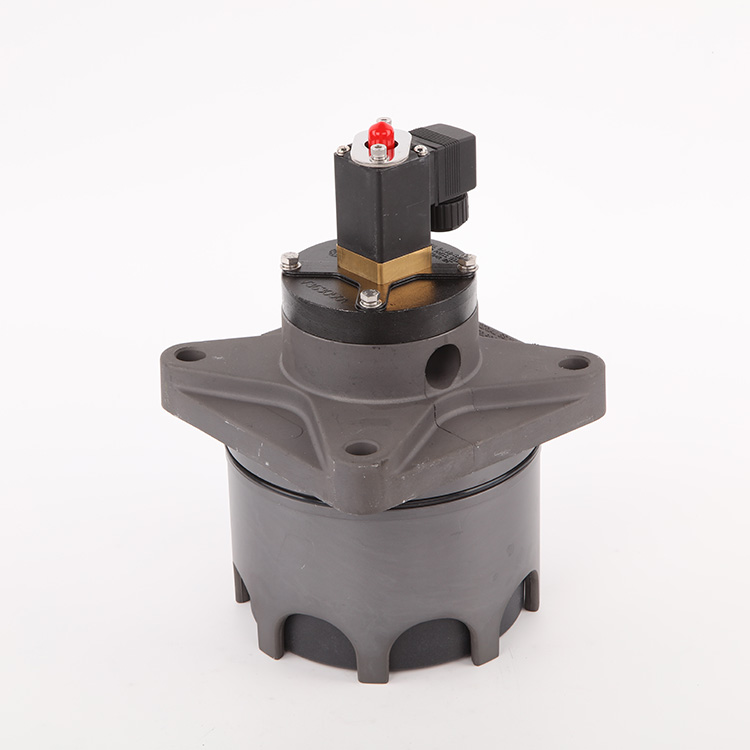
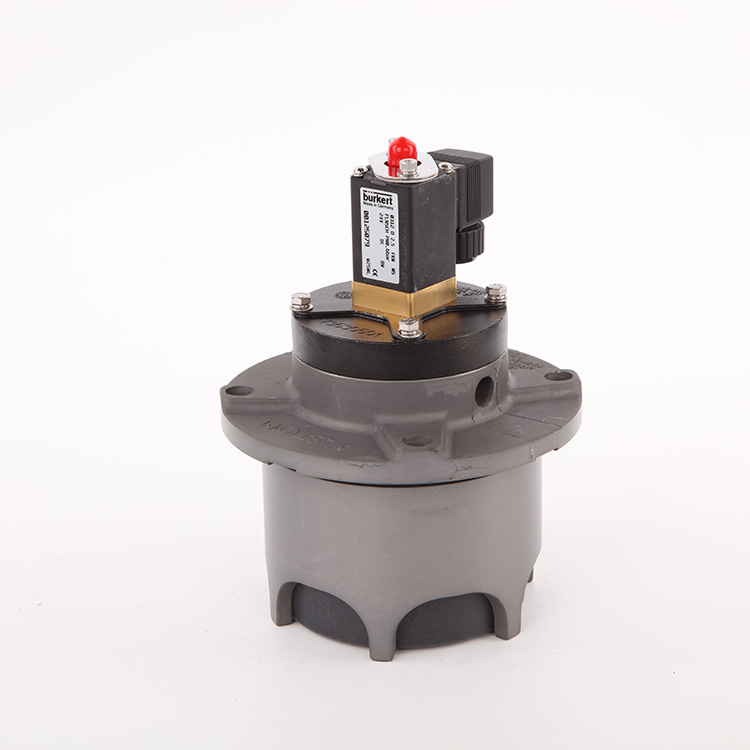
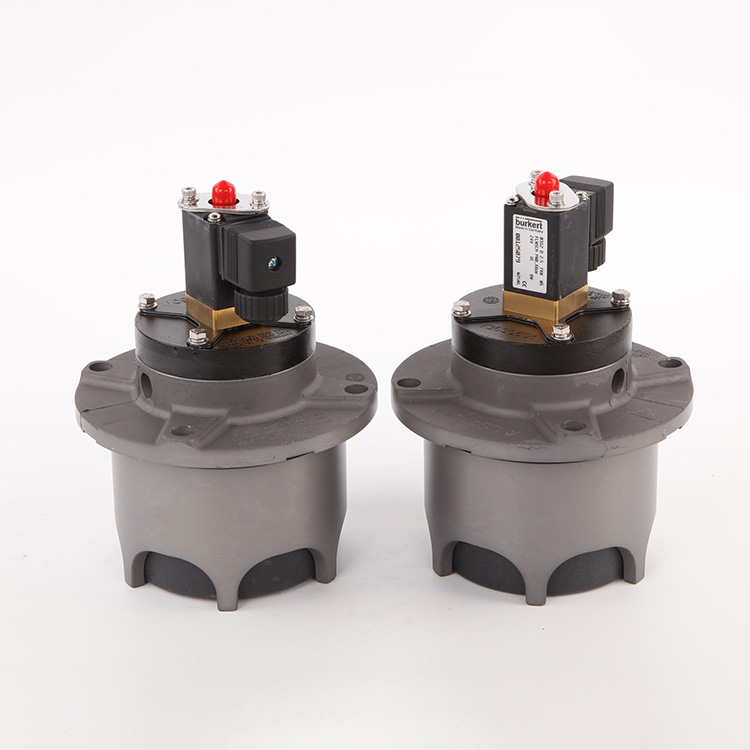
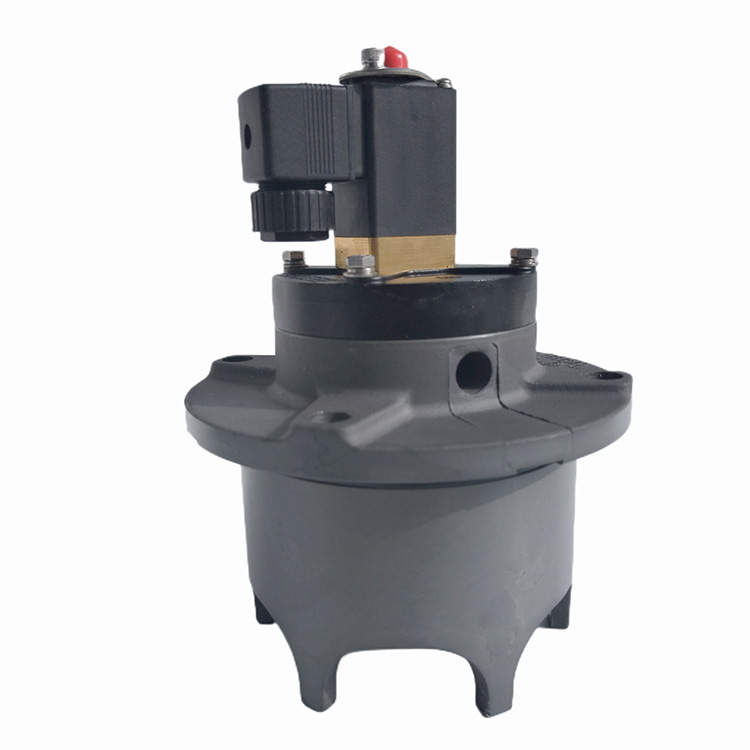
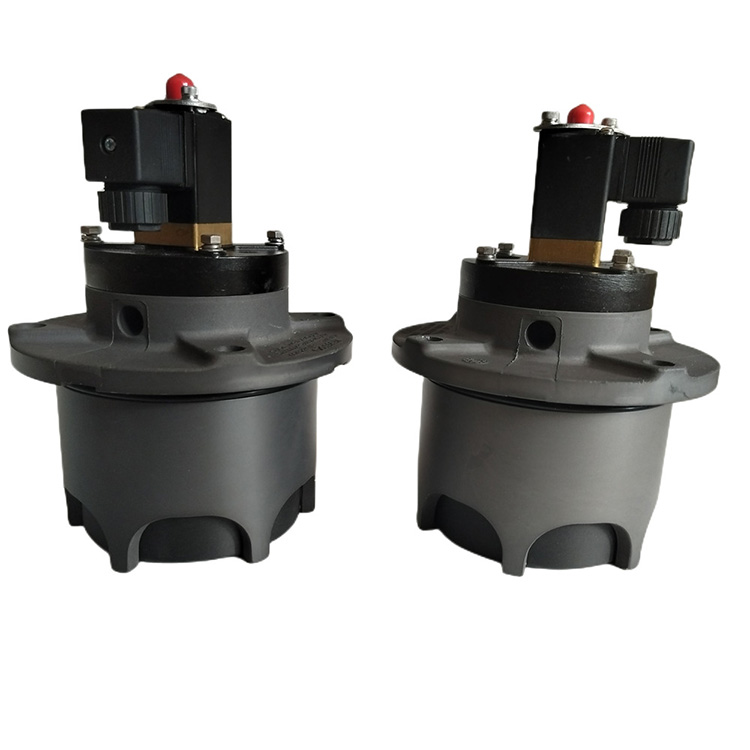
Optipow 105 Plunger Pulse Valve
The Optipow 105 plunger pulse valve is a important part in industrial dust collection systems. With the piston design, it offers fast response times than diaphragm valves, a compact structure, and high wear resistance. It operates at pressures up to 6 bar and is compatible with a wide range of dust collectors.
Model:Optipow105
Send Inquiry
Product Description
Product Description:
The Optipow 105 plunger pulse valve is designed for the pulse-jet cleaning systems of baghouse dust collectors, controlling compressed air to facilitate dust removal. The piston diameter corresponds to the model number; “105” means the valve hass a 3-inch diameter. It's got a compact design, it's easy to install and maintain, and it has an operating pressure of 3–6 bar. It's also compatible with operating conditions ranging from -40°C to 130°C.
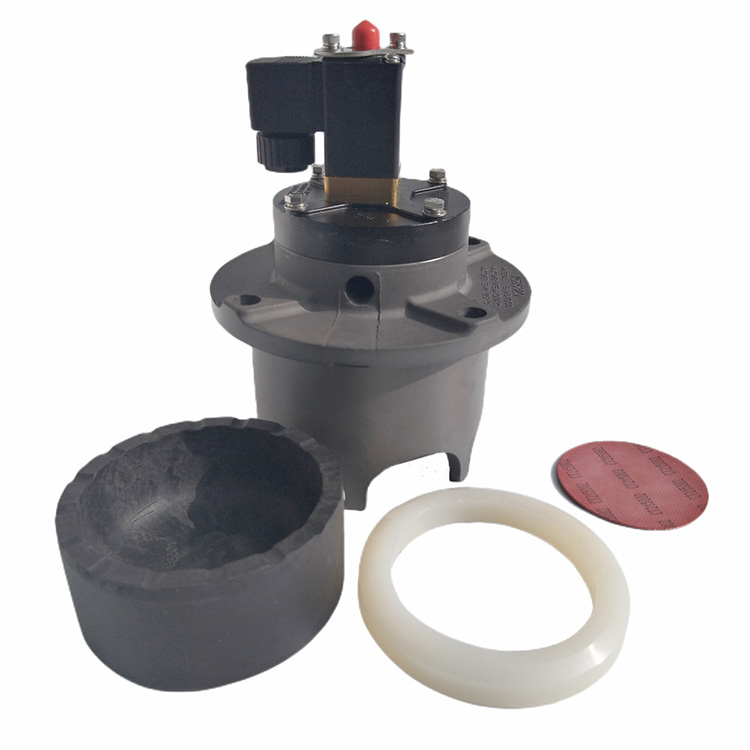
The piston is made of reinforced nylon 66, so it can handle millions of pulses. It works with various pulse-jet cleaning systems and comes with a one-year warranty, a full set of accessories, and 24/7 after-sales support.
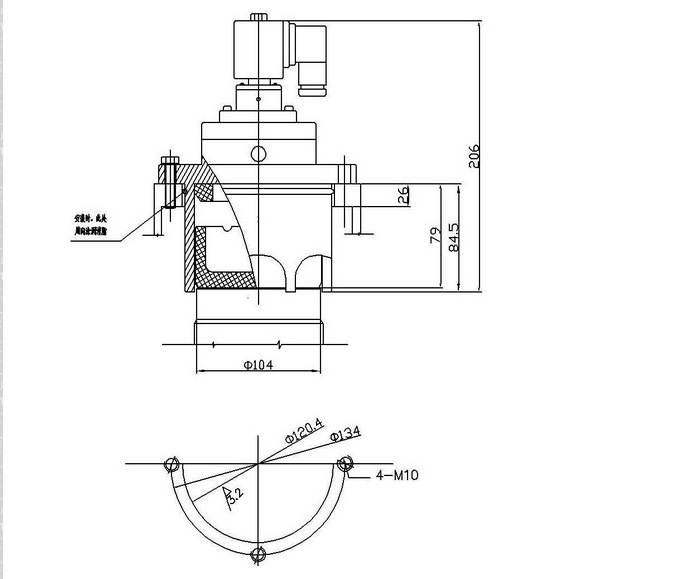
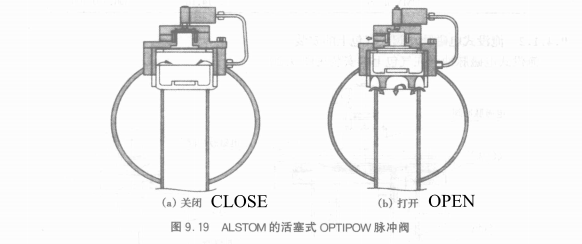
Product Working Principle:
Optipow 105 plunger pulse valves lack the damping effect of the rubber diaphragm and spring found in diaphragm valves, they respond more quickly and offer more reliable performance.
Product Application:
It's mostly used in industrial dust removal applications and is compatible with pulse-jet baghouse dust collectors.
· Power generation industry: Flue gas dust removal in power plant boilers;
· Building materials industry: Dust control in cement and glass manufacturing facilities;
· Mining and metallurgy: Dust treatment in mining operations and smelting processes;
· General industry: Dust removal in various workshops and control of compressed air pollutants;
· Specialized industries: Air purification in cleanrooms for food and pharmaceutical manufacturing.
Product Usage Guidelines:
1. Installation RequirementsInstall vertically, near the connection between the pressure tank and the pulse pipe; clean debris from the valve body before installation; apply sealant to bolted connections to ensure a tight seal.
2. OperationVerify that the air pressure is between 3 and 6 bar before startup; monitor the valve’s condition during operation and promptly address any abnormalities such as air leaks or unusual noises; control the operating temperature; implement insulation or cooling measures under extreme conditions.
3. MaintenanceConduct monthly routine inspections and quarterly comprehensive maintenance to remove dust and debris; promptly replace worn original seals and pistons; for long-term shutdowns, release the air pressure and clean the seals.
4. Safety PrecautionsDo not disassemble the valve body or piping during operation; shut off the air supply and release the air pressure before maintenance; operators must be familiar with the specifications; contact professionals to handle any malfunctions.
Hot Tags: Pulse valve, piston pulse valve, Optipow 105
Related Categories
Piston Pulse Valve
ASCO Pulse Valve
DMF Pulse Valve
Goyen Pulse Valve
Piston Pulse Valve Spare Parts
Pulse Valve Spare Parts
Send Inquiry
Please feel free to fill your inquiry in the form below. We will reply you in 24 hours.



X
We use cookies to offer you a better browsing experience, analyze site traffic and personalize content. By using this site, you agree to our use of cookies.
Privacy Policy